
Introduction to Handmade Fine Jewelry
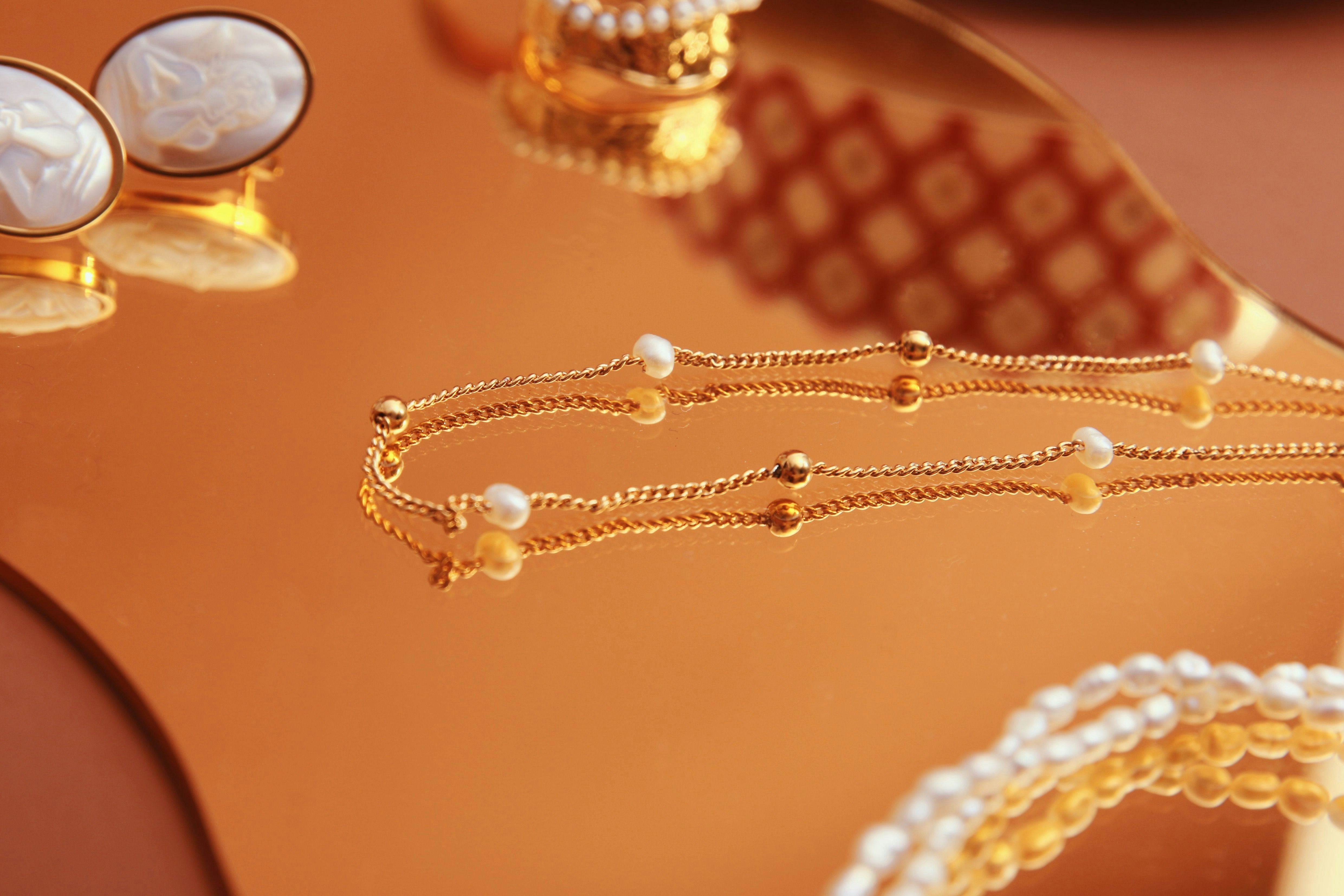
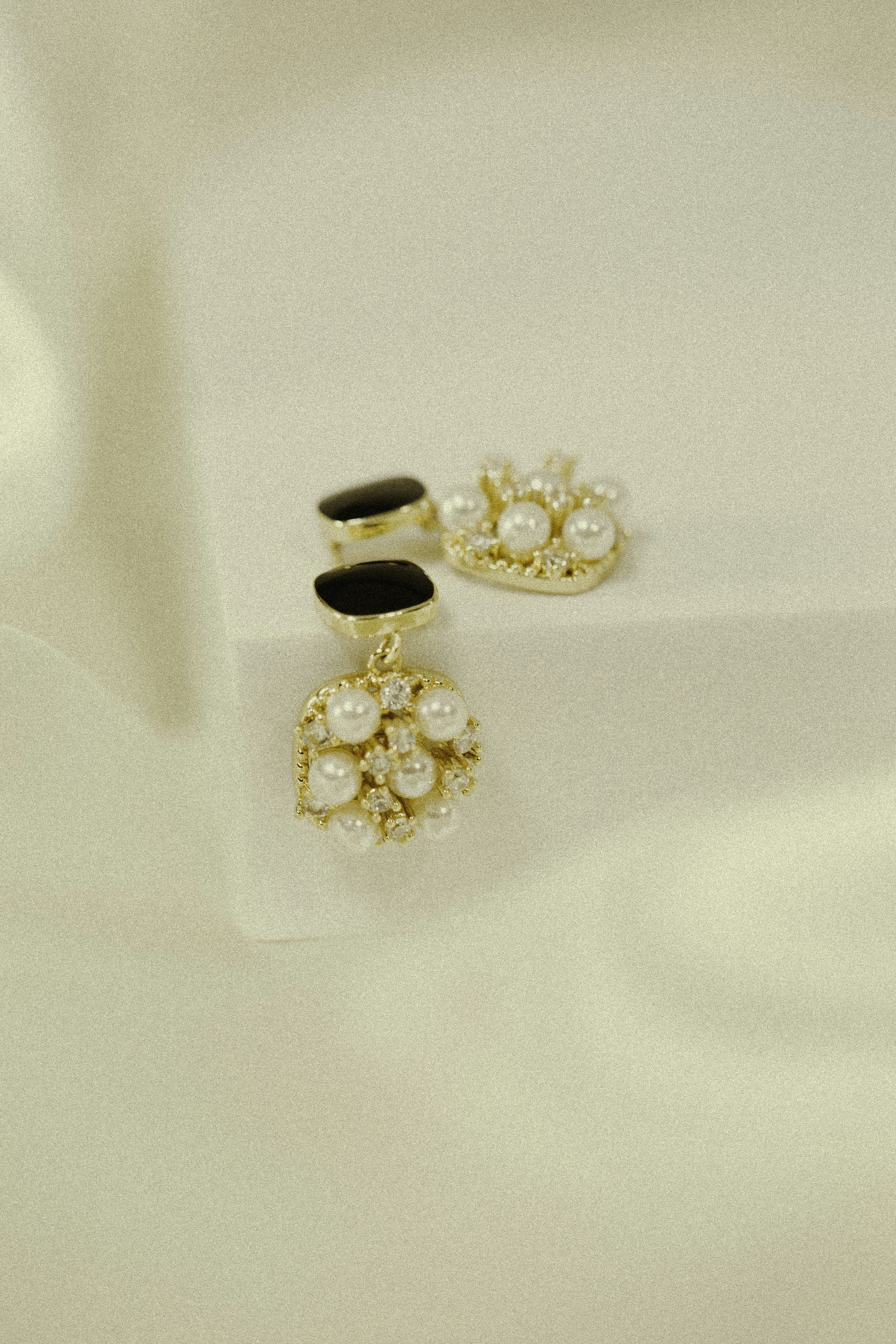
Handmade fine jewelry stands out as a remarkable expression of artistry and individuality. Unlike mass-produced items, which rely on machinery and assembly lines, each piece of handmade jewelry is crafted with meticulous attention to detail by skilled artisans. This unique method of creation not only enhances the aesthetic appeal but also infuses the jewelry with intrinsic value, making it a meaningful treasure rather than a mere accessory.
The significance of handmade fine jewelry lies in the passion and creativity that artisans invest in their work. Every single piece reflects the craftsman’s skill, personality, and vision, imbuing it with a soul that resonates with the wearer. As a result, handmade jewelry often becomes a cherished heirloom, passed down through generations, unlike its mass-produced counterparts, which tend to lack emotional connection and personal history.
Furthermore, handmade jewelry often utilizes high-quality materials that contribute to its durability and beauty. Artisans may source ethically mined gemstones and sustainable metals, ensuring that each piece is not only aesthetically pleasing but also responsibly crafted. This careful selection of materials stands in contrast to the mass market, which often compromises on quality to lower production costs.
The allure of handmade fine jewelry is evident in its variety and style, as each piece tells a story. Whether it’s a custom engagement ring or a delicate necklace, handmade jewelry allows for personalization, enabling individuals to express their uniqueness or commemorate special moments in life. This personal touch adds layers of significance that mass-produced jewelry simply cannot replicate.
In conclusion, handmade fine jewelry remains a beacon of craftsmanship and individuality in a world of fast fashion. Its exceptional artistry and emotional value make it a timeless treasure worth celebrating and cherishing.
The Craftsmanship Behind Handmade Jewelry
Handmade fine jewelry is recognized not only for its aesthetic appeal but also for the exceptional craftsmanship that goes into its creation. Each piece of jewelry is a testament to the artist’s skills and dedication, incorporating a blend of traditional techniques and innovative methods. At the heart of this craftsmanship lies an assortment of high-quality materials, such as precious metals like gold, silver, and platinum, as well as gemstones that add a unique touch to each design.
The process of creating handmade jewelry typically begins with selecting the appropriate materials. Artisans often source their metals and gems from reputable suppliers who prioritize ethical mining and sustainability. Once the materials are procured, the craftsman embarks on a detailed journey that involves various intricate processes.
One fundamental technique employed in the making of fine jewelry is forging, where metal is shaped into specific forms. This method allows jewelers to create durable yet beautifully designed pieces. Following this, gemstone setting is a meticulous process, requiring precision to ensure that each stone is secured perfectly within its metal framework. The quality of setting not only enhances the beauty of the stone but also safeguards against loss and damage.
Additionally, finishing techniques play a crucial role in achieving the final look of handmade jewelry. Techniques such as polishing, engraving, or adding textures significantly elevate the visual appeal of the piece. The artisan’s touch during this phase is vital; skilled artisans often leave their unique mark, which differentiates their work from mass-produced jewelry.
Through these carefully executed processes and the use of premium materials, the craftsmanship behind handmade jewelry embodies dedication and artistry. Each creation is not just an accessory, but a timeless treasure that carries the story of the artisan within it.
Unique Materials and Their Stories
Handmade fine jewelry is often celebrated for its distinctive characteristics, largely stemming from the unique materials employed in its creation. These materials not only influence the aesthetic appeal of each piece but also contribute rich narratives that elevate the jewelry’s intrinsic value.
A primary category of materials is precious metals, such as gold, silver, and platinum. Each of these metals possesses intrinsic qualities that influence their usage in fine jewelry. Gold, for example, is acclaimed for its malleability, resistance to tarnish, and timeless allure. Its history dates back thousands of years, serving as a symbol of wealth and status throughout various cultures. Silver, on the other hand, is cherished for its luster and ability to undergo intricate designs. Similarly, platinum is revered for its strength and rarity, making it an excellent choice for engagement rings and heirlooms.
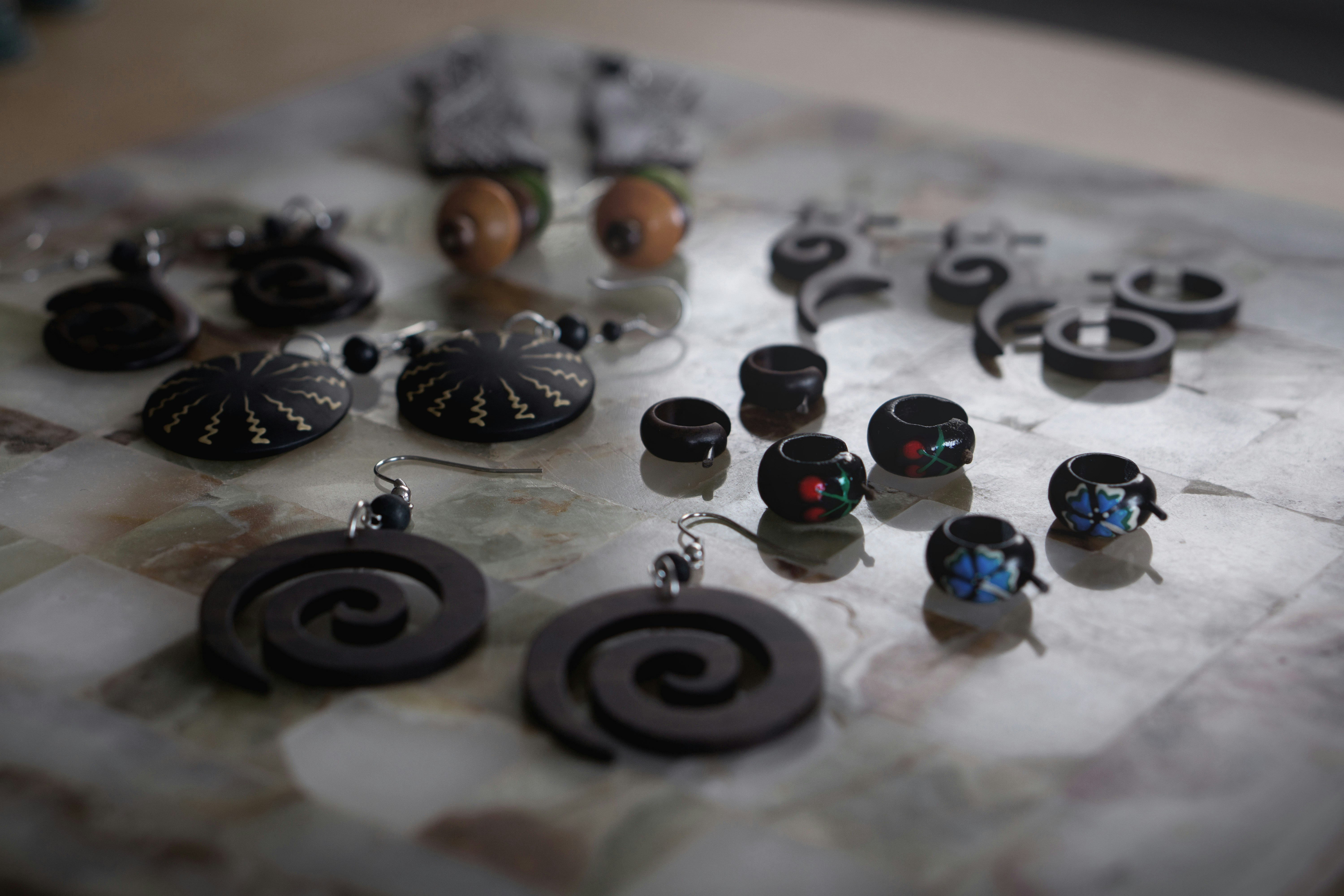
In addition to metals, gemstones hold significant importance in the realm of handmade jewelry. Each gemstone carries its own story, shaped by geological processes and cultural beliefs. Diamonds, often associated with love and commitment, are formed deep within the Earth under extreme pressure. In contrast, sapphires have a fascinating history, historically believed to protect wearers from envy and harm. Beyond the popular choices, organic materials such as wood and shells are increasingly being incorporated into fine jewelry. These elements often come from sustainable sources and can offer a unique texture and natural look that resonates with eco-conscious consumers.
The combination of these materials—precious metals, gemstones, and organic elements—culminates in a diverse array of pieces, each telling its own unique story. The selection of materials not only governs the visual impact of the jewelry but also imbues it with deeper meanings, ensuring that handmade fine jewelry remains a timeless treasure for generations.
Design Inspirations for Handmade Jewelry
The realm of handmade fine jewelry is richly textured with inspirations drawn from various sources, each contributing to the unique character of the pieces created by artisans. Artisans often find their muse in nature, observing the intricate patterns and colors found in flora and fauna. The organic forms and hues seen in leaves, flowers, and stones can lead to stunning representations in the form of intricate pendants or delicate rings that embody the beauty of the natural world.
Additionally, personal experiences and memories play a pivotal role in shaping the designs of handmade jewelry. An artisan might craft pieces that echo significant life milestones, such as an engagement or the birth of a child, using symbols or stones that hold personal meaning. This personal touch not only makes the jewelry unique but also creates a deep emotional connection between the wearer and the piece.
Cultural heritage is another potent source of inspiration, with artisans often incorporating traditional patterns, symbols, and techniques into their work. For example, many artisans draw upon their ancestral artistry, infusing modern designs with age-old traditions that speak to their identity and heritage. This blending of past and present results in pieces that celebrate history while remaining relevant in contemporary fashion.
Moreover, current trends in design can also influence handmade jewelry. Artisans stay attuned to the fashion world, observing popular styles and incorporating them into their creations. While they may draw from trends, the heart of handmade jewelry remains rooted in individuality, allowing each artisan’s personal perspective to shine through. This intersection of inspiration—from nature, personal narrative, cultural roots, and contemporary fashion—culminates in the creation of distinctive jewelry that not only adorns but also tells compelling stories.
The Emotional Connection to Handmade Jewelry
Handmade fine jewelry transcends mere aesthetic appeal; it encapsulates profound emotional connections that resonate deeply with individuals. When people choose or gift handmade pieces, they often do so with thoughtful intention, making each item a vessel for personal narratives and cherished memories. Unlike mass-produced jewelry, handmade pieces are created with care, often reflecting the unique personality and story of the wearer or the giver.
The significance of heirloom jewelry cannot be overstated. Many individuals inherit pieces passed down through generations, each adorned with a history that adds layers of meaning over time. These heirlooms often symbolize familial bonds, preserving the legacies of loved ones. When such jewelry is handed down, it is not merely an object; it becomes a respected artefact infused with love and shared experiences. Each scratch, dent, and alteration tells a story, enhancing its sentimental value.
Custom-made jewelry further heightens this emotional resonance. Individuals often approach artisans with specific ideas, thoughts, or wishes, collaborating to create pieces that celebrate life’s milestones or transformative moments. A wedding ring, for instance, crafted with personal symbols, can embody the shared journey of a couple. Such items go beyond materialistic notions; they embody commitments, dreams, and shared aspirations, making them timeless treasures.
Moreover, handmade fine jewelry can often serve as a form of self-expression. People may choose specific designs, stones, or colors that reflect their identities or experiences. Each selection speaks volumes about their individuality, allowing wearers to convey their stories even without words. These unique pieces transform into much more than accessories; they are emblematic of personal journeys, emotions, and life lessons.
Care and Maintenance of Handmade Jewelry
Handmade fine jewelry, with its unique craftsmanship, requires special care and attention to maintain its beauty and integrity over time. Proper care can significantly extend the lifespan of these cherished pieces. Here are essential tips for ensuring your handmade jewelry remains as exquisite as the day you acquired it.
First, cleaning your jewelry is pivotal. Use a soft, lint-free cloth to wipe your pieces after each use to remove skin oils and residue. For deeper cleaning, a mild soap solution with lukewarm water can be effective. Avoid harsh chemical cleaners, as they can tarnish or damage delicate materials. For intricate designs, consider using a soft-bristled brush to gently clean hard-to-reach areas. Always ensure to rinse with clean water and dry thoroughly to avoid moisture damage.
Storage plays a crucial role in preserving the condition of handmade jewelry. Store each piece separately, ideally in soft pouches or lined boxes to prevent scratches and tangling. If your jewelry contains gems, consider storing them in a cool, dry place away from direct sunlight to prevent color fading. Additionally, keeping your handmade jewelry in a place with stable temperatures will help avoid potential warping or deterioration.
There are also several practices to avoid. Never wear handmade jewelry while engaging in activities that could expose it to harsh chemicals, excessive heat, or physical stress, such as swimming, exercising, or household chores. Furthermore, refrain from exposing delicate pieces to perfumes, lotions, or hairsprays, as these substances can create a film on the jewelry that dulls its shine.
In conclusion, by following these care and maintenance recommendations, you can protect your handmade fine jewelry, ensuring it remains a timeless treasure for years to come.
Spotting Quality in Handmade Fine Jewelry
When selecting handmade fine jewelry, understanding how to evaluate its quality is vital for making informed purchasing decisions. Several key indicators can help you assess the craftsmanship, material quality, and design intricacies, all of which contribute to the overall value and appeal of the piece.
Firstly, craftsmanship is a primary factor that distinguishes high-quality handmade jewelry from mass-produced alternatives. Take a close look at the detailed work involved; seamless connections between components, precise stone settings, and a smooth finish are signs of a skilled artisan. An experienced jeweler pays attention to every element, ensuring that the final product not only looks beautiful but also presents durability and resilience.
The quality of materials used is equally important. Fine jewelry should be made from precious metals, such as gold, silver, or platinum, rather than base metals or alloys that tarnish easily. Investigate the karat (for gold) or purity (for silver and platinum) to confirm material quality. Additionally, the gemstones incorporated in the piece should be ethically sourced and graded well in terms of cut, clarity, color, and carat weight. These factors significantly influence the aesthetics and durability of the jewelry.
Another aspect to consider is the design intricacy. Unique, well-thought-out designs often reflect an artisan’s creativity and skill. Look for distinctive details such as engraving, texture, or innovative clasp mechanisms that enhance both functionality and beauty. Handmade pieces frequently exhibit subtle variations, adding to their charm and character; these imperfections distinguish them from factory-produced items.
In conclusion, spotting quality in handmade fine jewelry involves examining the craftsmanship, material quality, and intricate designs. By focusing on these critical factors, you can ensure that your investment in handmade jewelry is both meaningful and enduring.
The Rise of Ethical and Sustainable Jewelry
The handmade jewelry industry is witnessing a significant transformation as more artisans embrace ethical and sustainable practices. This rise in conscientious craftsmanship resonates with consumers who are increasingly aware of the environmental and social impacts of their purchases. As a result, many artisans prioritize the use of eco-friendly materials and responsible sourcing in their creations, aligning their work with the values of sustainability.
One of the central tenets of this movement is the commitment to utilizing materials that are not only beautiful but also sustainable. This includes a growing preference for recycled metals and ethically sourced gemstones. By reusing metals, artisans minimize waste and reduce the demand for new mining activities, which often contribute to environmental degradation. In the realm of gemstones, many artisans are opting for lab-created options or stones that have been sourced through fair trade practices, ensuring that the miners receive fair compensation for their labor and that the extraction processes are conducted with respect for nature.
Furthermore, the emphasis on fair trade practices has led to more transparent supply chains. Artisans often seek to work directly with suppliers who share their commitment to ethical practices, establishing relationships that uphold the values of fairness and community support. This approach not only ensures that artisans can offer jewelry that resonates on a deeper level with consumers but also fosters trust and loyalty among buyers.
As this trend continues to evolve, the handmade jewelry sector is likely to see an increasing number of artisans actively advocating for sustainable practices. By promoting ethical sourcing and environmental stewardship, these creators are redefining the narrative of luxury and beauty in jewelry, proving that elegance can coexist with responsibility. This alignment with ethical and sustainable principles not only enriches the artistry behind each piece but also enhances the emotional value that consumers place on their jewelry.
Conclusion: The Lasting Appeal of Handmade Fine Jewelry
Throughout this exploration of handmade fine jewelry, we have highlighted its unique characteristics and unrivaled charm that have captivated people for centuries. Unlike mass-produced alternatives, handmade jewelry is an expression of artistry and individuality, often reflecting the personal touch and passionate craftsmanship of the maker. The attention to detail and the careful selection of quality materials contribute not only to the aesthetic appeal but also to the intrinsic value of each piece, making them timeless treasures.
The allure of handmade jewelry extends beyond mere aesthetics; it encompasses the emotional connection it fosters between the creator, the piece itself, and the wearer. Every handmade item carries a story, a journey, and an essence that factory-made pieces often lack. This intrinsic connection can transform jewelry into cherished heirlooms, symbols of love and commitment that are passed down through generations, thereby preserving memories and personal histories.
Moreover, handmade fine jewelry is a sustainable choice. With a growing emphasis on ethical consumption and environmental responsibility, supporting artisans not only promotes craftsmanship but also helps sustain traditional techniques and local economies. Each purchase serves as a testament to conscious consumerism, as individuals choose to invest in pieces that are not only beautiful, but made with purpose.
As we conclude, we encourage readers to seek out handmade fine jewelry, whether for themselves or as thoughtful gifts for others. Embrace the individuality and story that each creation holds, and allow the beauty of these unique pieces to enhance your life. Making a connection with handmade fine jewelry is a celebration of artistry, sustainability, and the enduring value of cherished memories in the form of exquisite adornments.