
What Defines Fine Jewelry?
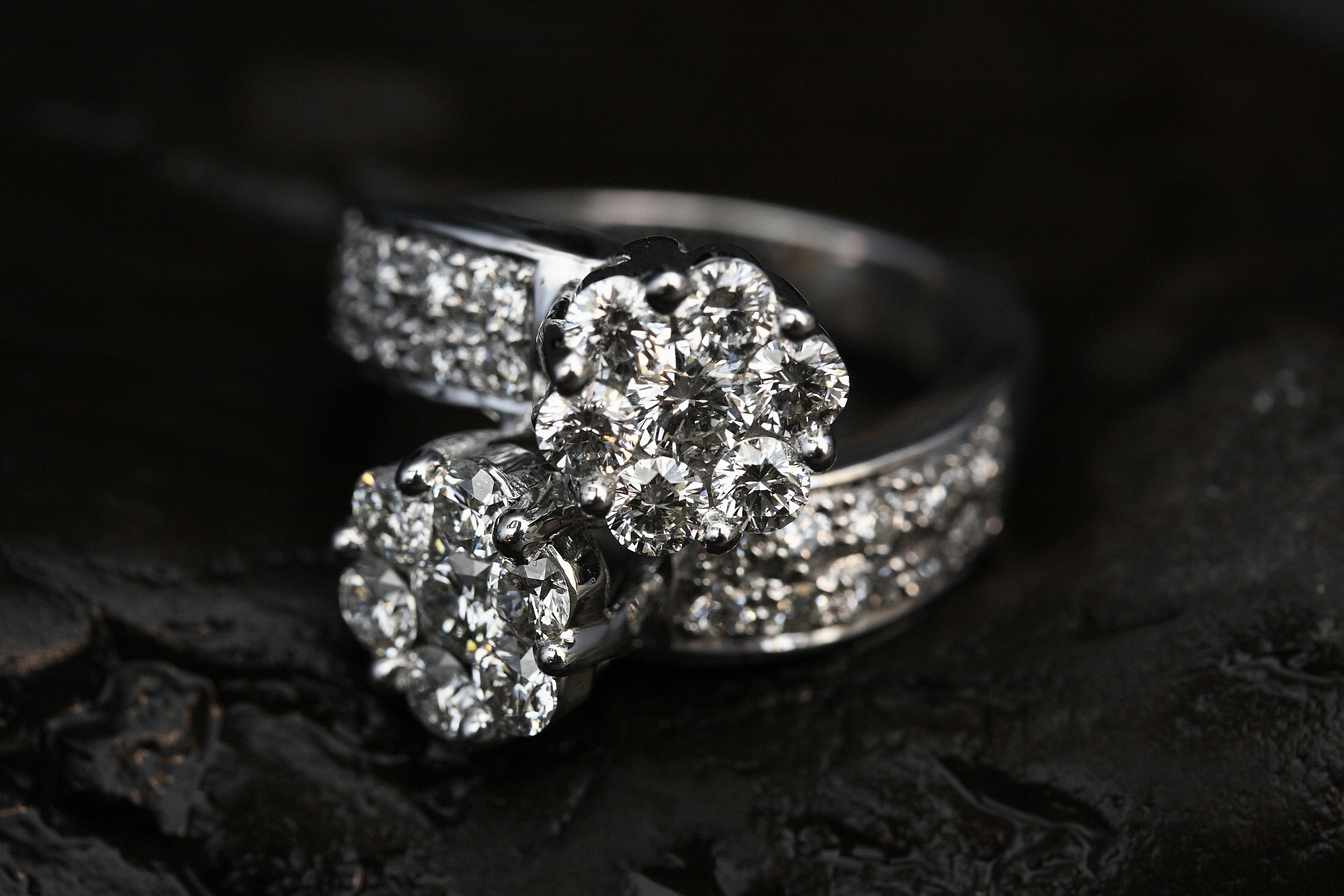
Fine jewelry is characterized by its high-quality materials, exceptional craftsmanship, and artistic value. Unlike costume or fashion jewelry, which often utilizes synthetic or plated materials, fine jewelry is crafted from precious metals such as gold, silver, and platinum, and is often adorned with genuine gemstones. These materials not only enhance the overall aesthetic but also contribute to the durability and lasting nature of fine jewelry.
The craftsmanship involved in creating fine jewelry is another defining feature. Artisans and jewelers dedicate significant time and skill to ensure that every piece meets high standards of quality. This includes intricate design work, precise stone setting, and meticulous polishing. The result is an item that reflects both beauty and sophistication, making each piece a true work of art.
In addition to materials and craftsmanship, the artistic value of fine jewelry plays a crucial role in its definition. Many fine jewelry pieces are inspired by culture, history, and nature, showcasing the designer’s creativity and vision. This artistic element sets fine jewelry apart, as it often tells a story or embodies a personal connection for the wearer. Moreover, the uniqueness of design frequently leads to a higher collectible value, as limited edition pieces or custom designs are sought after by enthusiasts and collectors alike.
Furthermore, fine jewelry often serves as an investment, due to its intrinsic value. Collectors and investors recognize that certain pieces can appreciate in value over time, making fine jewelry not only a fashion statement but also a strategic financial choice. This combination of quality materials, diligent craftsmanship, and artistic expression firmly establishes what fine jewelry is and why it holds a special place in the world of adornments.
History of Fine Jewelry
The history of fine jewelry is a rich tapestry that reflects the cultural evolution and social values of various civilizations over the centuries. The origins of fine jewelry date back to ancient times, where early humans utilized natural materials such as stones, bones, and shells for adornment. This primitive jewelry was often worn as a symbol of spirituality or status, illustrating the early intersection of art and personal expression.
During the Egyptian era, fine jewelry reached a level of sophistication that melded functionality with intricate craftsmanship. Treasures such as elaborate necklaces, finger rings, and intricate earrings often featured gold and gemstones like lapis lazuli and turquoise. They were not merely decorative but were imbued with cultural significance, often designed to be worn in the afterlife. The opulent use of gold was a testament to the society’s wealth and the reverence for their deities, leading to the legacy of Egyptian jewelry that continues to captivate modern audiences.
Moving into the Greco-Roman period, jewelry evolved further with a focus on artistry and the human form. The use of techniques such as filigree and granulation exemplified their advancements in metallurgy, while designs often depicted mythological themes and figures. This period marked a shift towards considering jewelry as an art form, and its functionality extended into the realm of storytelling and societal representation.
As history progressed into the Middle Ages and the Renaissance, significant developments in jewelry making emerged, including the introduction of new gemstones and the revival of classical styles. Each era brought unique qualities to fine jewelry, driven largely by the influences of fashion, social status, and technological innovations.
In modern times, the significance of fine jewelry has broadened to embrace personal expression, symbolism, and individuality. Through the ages, it has maintained its role as a hallmark of elegance and prestige, underscoring its enduring appeal across diverse cultures around the world.
Popular Materials and Gemstones in Fine Jewelry
Fine jewelry is often distinguished by the quality of its materials and the gemstones used, which not only enhance the aesthetic appeal but also contribute to the overall value of the piece. Among the most popular materials are gold, platinum, and silver, each bringing unique properties and characteristics.
Gold is perhaps the most recognized metal in fine jewelry, available in several forms, including yellow, white, and rose gold. The purity of gold is measured in karats, with 24-karat gold considered pure. However, due to its softness, it is often alloyed with other metals for enhanced durability. Gold’s warm luster and versatility make it an enduring favorite among jewelers and consumers alike.
Platinum is another elite choice in fine jewelry, renowned for its rarity and resistance to tarnish. This metal is heavier than gold, which often translates to more substantial pieces. Its natural white sheen makes platinum an excellent setting for diamonds and other precious gemstones. Furthermore, platinum’s hypoallergenic properties make it suitable for those with sensitive skin.
Silver, while sometimes viewed as less luxurious compared to gold and platinum, still holds a reputable place in fine jewelry design. Sterling silver, composed of 92.5% silver and 7.5% alloy, is frequently used for its affordability and ability to create beautiful, intricate designs. However, it requires regular polishing to maintain its shine due to the propensity to tarnish over time.
In terms of gemstones, diamonds, sapphires, rubies, and emeralds are among the most sought after. Diamonds are celebrated for their brilliance and hardiness, rated a 10 on the Mohs scale, while sapphires and rubies, both varieties of corundum, exhibit remarkable durability and color range. Emeralds, known for their captivating green hue, require careful handling due to their lower hardness rating.
Each of these materials and gemstones contributes to the unique charm and allure of fine jewelry, making understanding their properties essential for both buyers and collectors.
The Art of Craftsmanship in Jewelry Making
Creating fine jewelry is a delicate and intricate process that requires a blend of artistry and technical skill. Each piece begins with an initial design, which may be sketched by hand or created using advanced computer-aided design (CAD) software. These designs are crucial, as they form the blueprint for the final piece and dictate the type of materials to be used, the size of gemstones, and the overall construction method.
Once a design is established, skilled artisans take over to bring the concept to life. Their expertise in jewelry making techniques is paramount; they may use various methods such as lost-wax casting, hand fabrication, or electroforming. Each of these techniques requires mastery and precision to ensure the final product meets high standards of quality. During the crafting process, artisans must pay close attention to detail, often working with tools that have been honed over decades.
A significant aspect of jewelry making is the setting of stones. Whether it is a classic prong setting, a delicate bezel setting, or a more innovative option like tension setting, the choice impacts both aesthetics and security of the gemstones. Artisans must choose the setting method that best enhances the characteristics of each stone, while ensuring it is securely fastened. This careful consideration of the interplay between the metal and gemstone contributes greatly to the elegance of fine jewelry.
Moreover, the significance of skilled artisans cannot be overstated. Their experience not only influences the design and construction but also ensures that the ethics of sourcing materials, particularly gemstones and precious metals, are upheld. As sustainable and ethical practices become increasingly important in the jewelry industry, artisans play a crucial role in maintaining these standards, thereby enhancing the value and integrity of the finished product.
Trends in Fine Jewelry
The fine jewelry market is constantly evolving, influenced by various factors that shape consumer preferences and design aesthetics. One significant trend currently observed is the resurgence of vintage-inspired pieces, which are reminiscent of earlier decades while incorporating contemporary touches. Consumers are increasingly drawn to the allure of nostalgia, seeking out designs that evoke a sense of history and craftsmanship. Art Deco and Victorian styles, with their intricate details and organic motifs, are particularly popular.
Color plays a pivotal role in fine jewelry trends, as jewelers experiment with vibrant gemstones to create stunning pieces. The use of colored gemstones such as sapphires, emeralds, and rubies has gained popularity, marking a departure from traditional diamond-centric designs. Furthermore, the rise of ethical and sustainable jewelry has led consumers to favor gemstones that are sourced responsibly, making color choice a meaningful aspect of modern jewelry.
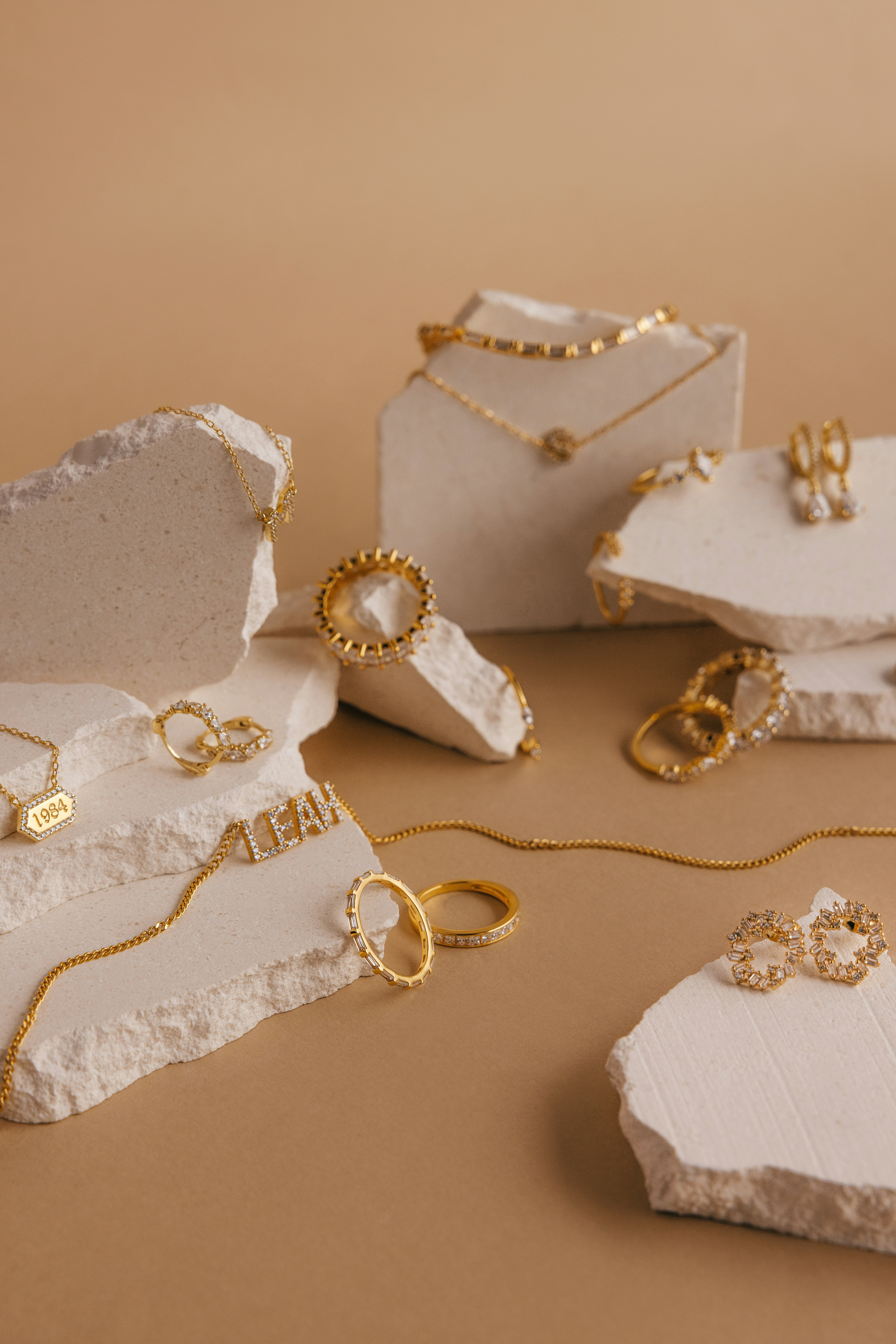
Another prominent trend is personalization and customization. Today’s consumers desire unique pieces that reflect their individuality and personal stories. Jewelry brands are responding by offering bespoke services that allow clients to choose specific gemstones, settings, and designs. This shift towards customization signifies a broader trend where consumers seek emotional connections with their jewelry, opting for items that hold personal significance.
Moreover, the integration of technology in fine jewelry has become increasingly prevalent. From the use of augmented reality for virtual try-ons to blockchain technology ensuring the authenticity of gemstones, innovation is reshaping the way jewelry is designed, purchased, and experienced. These technologies not only enhance the shopping experience but also instill greater confidence in buyers, ensuring they are making informed decisions.
Caring for Your Fine Jewelry
Caring for fine jewelry is a crucial aspect of maintaining its beauty and ensuring longevity. Each piece, whether it is a diamond ring, gold necklace, or pearl earrings, deserves special attention to preserve its integrity and sheen. One of the first steps in caring for your jewelry is to establish a regular cleaning routine. Over time, dirt, oils, and other residues can accumulate, diminishing the luster of your pieces. Depending on the materials, a simple solution of warm water and mild soap can be used to gently clean your jewelry. Soft cloths or brushes can be employed to reach intricate areas without causing damage.
Additionally, it is essential to store fine jewelry properly. A suitable storage solution often involves keeping pieces in their original boxes or a soft-lined jewelry case to prevent scratching or tangling. For items that may be prone to tarnishing, such as silver, anti-tarnish cloths or bags can be utilized to minimize exposure to air and moisture. It is also advisable to avoid storing jewelry in areas of high humidity, as moisture can lead to irreversible damage.
When wearing fine jewelry, precautions are important. Try to remove rings, necklaces, or bracelets before engaging in activities that may expose them to harsh conditions, such as exercising or cleaning with chemicals. Furthermore, regular inspections of your jewelry can aid in detecting loose stones or wear and tear, allowing for prompt repairs. In instances of repair, it is best to consult a professional jeweler who specializes in fine jewelry. By following these practical care tips, you can preserve the elegance and charm of your fine jewelry collection for generations to come.
Investing in Fine Jewelry
Investing in fine jewelry represents an intriguing intersection between aesthetics and financial growth. As an asset class, fine jewelry often yields considerable appreciation over time, provided the pieces are selected thoughtfully and aligned with market trends. Certain factors such as craftsmanship, brand reputation, and gemstone rarity can significantly influence value, making it crucial for potential investors to educate themselves before making a purchase.
The fine jewelry market has exhibited a steady upward trajectory over the past decades. Historically, this sector has remained resilient against economic downturns, attributing to the emotional and artistic value attached to jewelry, which often transcends mere monetary worth. In recent years, demand for high-quality pieces has surged, especially from emerging markets, driving prices upwards and stabilizing the investment potential of fine jewelry. Notably, the rarity of certain gemstones like colored diamonds and high-grade pearls can contribute to remarkable value retention and appreciation, making them wise investment choices.
When considering an investment in fine jewelry, research is paramount. Investors should familiarize themselves with market trends, including specific styles that are gaining popularity or losing favor. Consulting with knowledgeable experts or certified appraisers can provide insight into the authenticity and fair value of potential purchases. Additionally, understanding how to maintain and care for jewelry is vital, as proper upkeep can influence resale value. Finally, potential investors should explore diversification within their jewelry collection, considering different materials, designs, and eras. By taking calculated steps, investing in fine jewelry can not only enhance personal collections but may also prove to be a lucrative financial venture.
How to Choose the Right Fine Jewelry for You
Choosing the right fine jewelry can be an exciting yet challenging experience. The first step in this journey is to understand your personal style. Fine jewelry comes in a variety of designs, materials, and finishes, so it is essential to consider what resonates with your aesthetic. Start by evaluating your wardrobe; identify the colors, styles, and overall themes present in your daily attire. This can help you determine whether you gravitate towards classic pieces, modern designs, or perhaps a fusion of both.
Next, consider the occasions for which you are purchasing jewelry. Are you looking for everyday pieces that can transition from day to night, or do you seek statement jewelry for special events? For everyday wear, choose versatile jewelry that complements a range of outfits. A simple diamond pendant, for instance, can elevate casual wear, while a pair of elegant hoop earrings may serve multiple purposes.
Moreover, the significance of meaningful pieces can enhance your jewelry selection process. Fine jewelry often carries symbolic weight, representing personal milestones, relationships, or cherished memories. When choosing a piece, reflect on its emotional value; a customized piece or a treasure passed down through generations may hold a particular significance that transcends mere aesthetics.
Another factor to consider is the type of metal and gemstones. Popular choices for fine jewelry include gold, silver, and platinum, each offering distinct properties and advantages. Additionally, different gemstones symbolize various meanings and can influence your choice. For example, sapphires are regarded as symbols of loyalty, while emeralds are often associated with rebirth. Ultimately, selecting the right fine jewelry should reflect your individual style while embracing the occasions and meanings behind each piece, ensuring that it resonates with you personally.
Where to Buy Fine Jewelry: A Consumer’s Guide
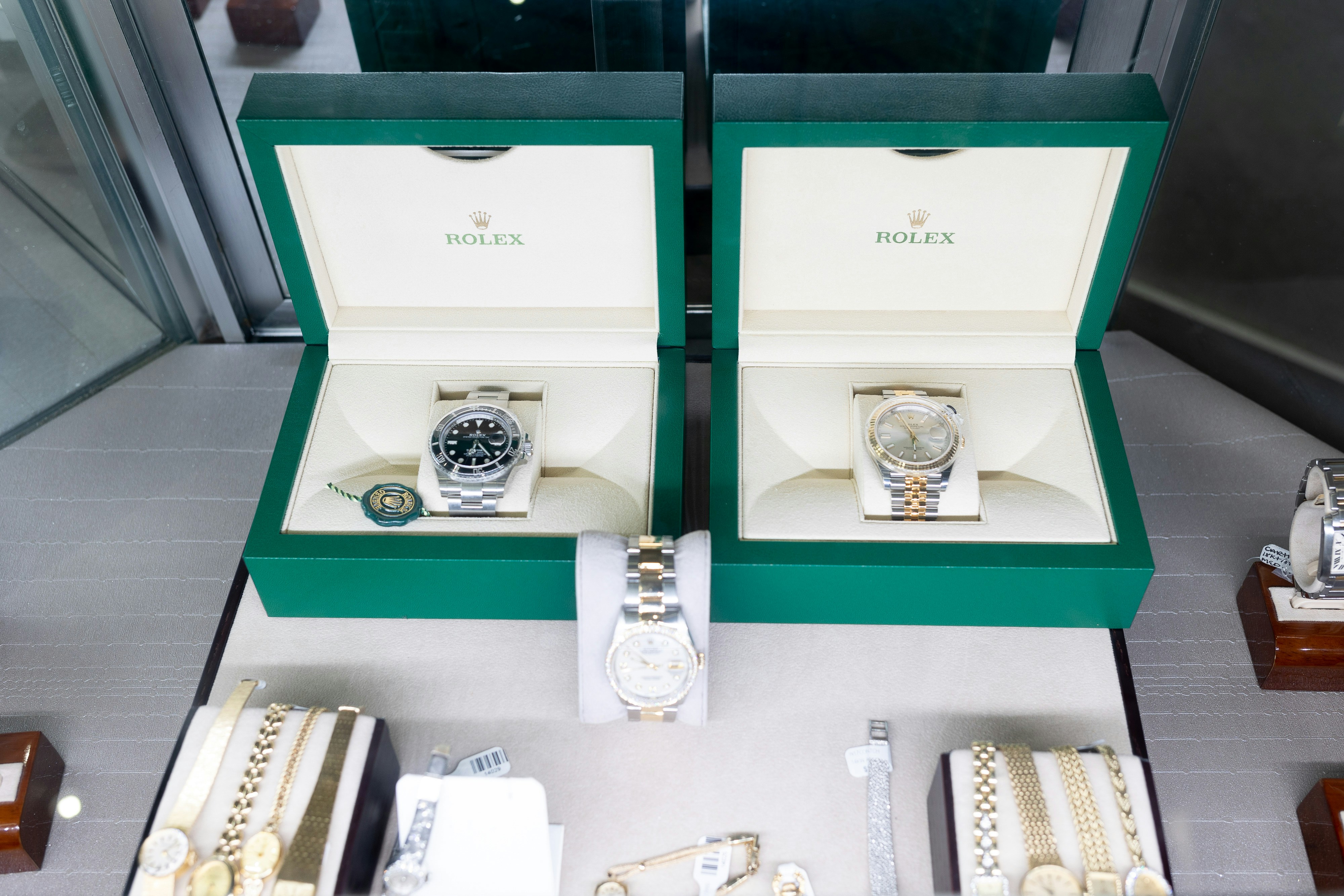
Purchasing fine jewelry is a significant investment, both emotionally and financially. To ensure you make a wise purchase, it is crucial to know where to buy and what to look for in a jeweler. Reputable jewelry stores, both online and brick-and-mortar, should be your first consideration. Established retailers often provide a wider selection of high-quality pieces, certified gemstones, and valuable warranties.
In addition to recognized luxury brands, consider exploring local jewelers with a solid reputation in your community. Local artisans can offer unique, handcrafted pieces that reflect artistry and craftsmanship. When visiting a local jeweler, observe their level of customer service and their willingness to educate you about their products, as these indicators reflect their commitment to transparently serving customers.
When shopping online, it is essential to look for websites that are well-reviewed and offer detailed descriptions, high-resolution images, and certification of authenticity for the gemstones. Look for independent reviews and ask for recommendations from friends or family who may have experience with specific online retailers. Verify that the website has clear return and refund policies, as these policies are crucial for a hassle-free purchasing experience.
To avoid counterfeit products, familiarize yourself with common signs of deception. Always request certification for diamonds and gemstones, which should accompany the purchase as proof of authenticity. Additionally, ensure that the jeweler has a clear return policy and is transparent about their pricing structure. Always trust your instincts; if a deal seems too good to be true, it likely is.
Ultimately, purchasing fine jewelry should be a pleasurable experience, led by consumers who are informed and diligent. By knowing where to buy and what to check for, you can invest in beautiful pieces with confidence.