
The Allure of Diamonds: A Brief History
The history of diamonds is as captivating as the gems themselves. Formed deep within the Earth’s mantle under extreme heat and pressure, diamonds have journeyed to the surface through volcanic eruptions over millions of years. Their natural formation process makes them one of the hardest and most enduring materials found on Earth. Early evidence of diamonds suggests that they were first discovered in India, where they were valued not only for their beauty but also for their supposed magical properties.
As civilizations advanced, diamonds began to capture the attention of various cultures around the globe. By the first century AD, the Romans were already adorning themselves with diamonds, associating them with love and strength. Their rarity and stunning appearance positioned diamonds as coveted treasures, leading to their emergence as symbols of wealth and status among the elite. The Middle Ages saw a surge in diamond usage, especially among nobility, where diamonds were incorporated into crowns, rings, and other regalia, signifying power and grandeur.
The allure of diamonds continued to evolve during the Renaissance, where diamond cutting techniques improved significantly, enhancing their brilliance and luster. Notably, the famous Hope Diamond and the Koh-i-Noor, adorned in the British Crown Jewels, further cemented the diamond’s association with royalty. In the 19th century, the discovery of diamond mines in South Africa revolutionized the industry, making diamonds more accessible and shifting social perceptions. This era also solidified diamonds’ status as the ultimate symbol of love, particularly with the introduction of diamond engagement rings.
Today, diamonds encompass a rich heritage interwoven with cultural significance and evolving trends. From ancient civilizations to modern jewelry, diamonds remain timelessly alluring, embodying both prestige and emotional depth. Such historical odyssey underscores why diamonds are not merely valuable commodities; they represent a legacy of beauty and human expression that continues to capture hearts around the world.
Understanding Diamonds: The 4 Cs
When it comes to selecting diamond jewelry, understanding the four essential characteristics known as the “4 Cs” is crucial. These criteria—Cut, Clarity, Color, and Carat weight—help define the quality and value of a diamond. Each of these factors plays a significant role in determining not only the appearance of the gemstone but also its market price.
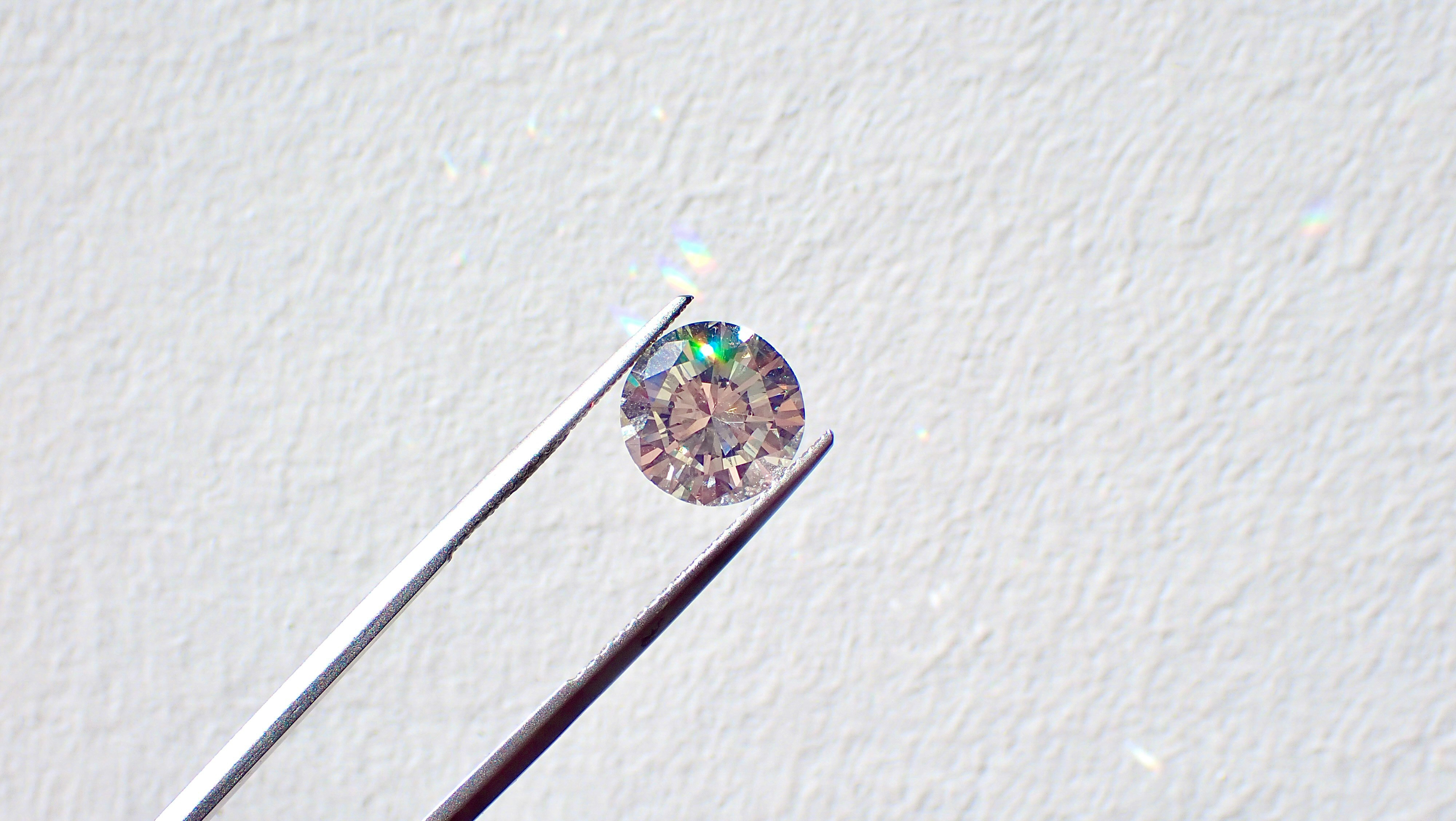
Cut refers to how well a diamond has been shaped and faceted. The quality of the cut significantly affects how light is reflected and refracted within the stone, thus influencing its brilliance and sparkle. A well-cut diamond, irrespective of its other characteristics, will often appear more luminous and appealing than one that is poorly cut. When evaluating cut, consider the diamond’s proportions and symmetry, as these factors contribute to its overall visual performance.
Clarity measures the presence of internal or external imperfections, known as inclusions and blemishes, respectively. A diamond with higher clarity grades will have fewer visible imperfections, enhancing its aesthetic allure. Grades range from Flawless, with no internal imperfections visible under 10 magnification, to Included, where such imperfections are apparent. When purchasing diamond jewelry, it is advisable to seek diamonds with clarity grades that align with personal preferences and budget considerations.
Color indicates the absence of color in a white diamond. While perfectly colorless diamonds are valued most highly, many diamonds exhibit varying shades from those that are near colorless to those that are lighter yellow or brown. The color grading scale extends from D (colorless) to Z (light yellow or brown). Understanding the color spectrum can help buyers find a balance between aesthetic appeal and price.
Lastly, Carat weight measures the size of the diamond, with one carat equal to 0.2 grams. While larger diamonds generally carry a higher price tag, the value also depends on the other three characteristics. It is important to consider that a well-placed smaller diamond may significantly outperform a larger one with lower quality attributes. When choosing diamond jewelry, factor in the interplay between carat weight and the other Cs to maximize value.
Types of Diamond Jewelry: A Comprehensive Guide
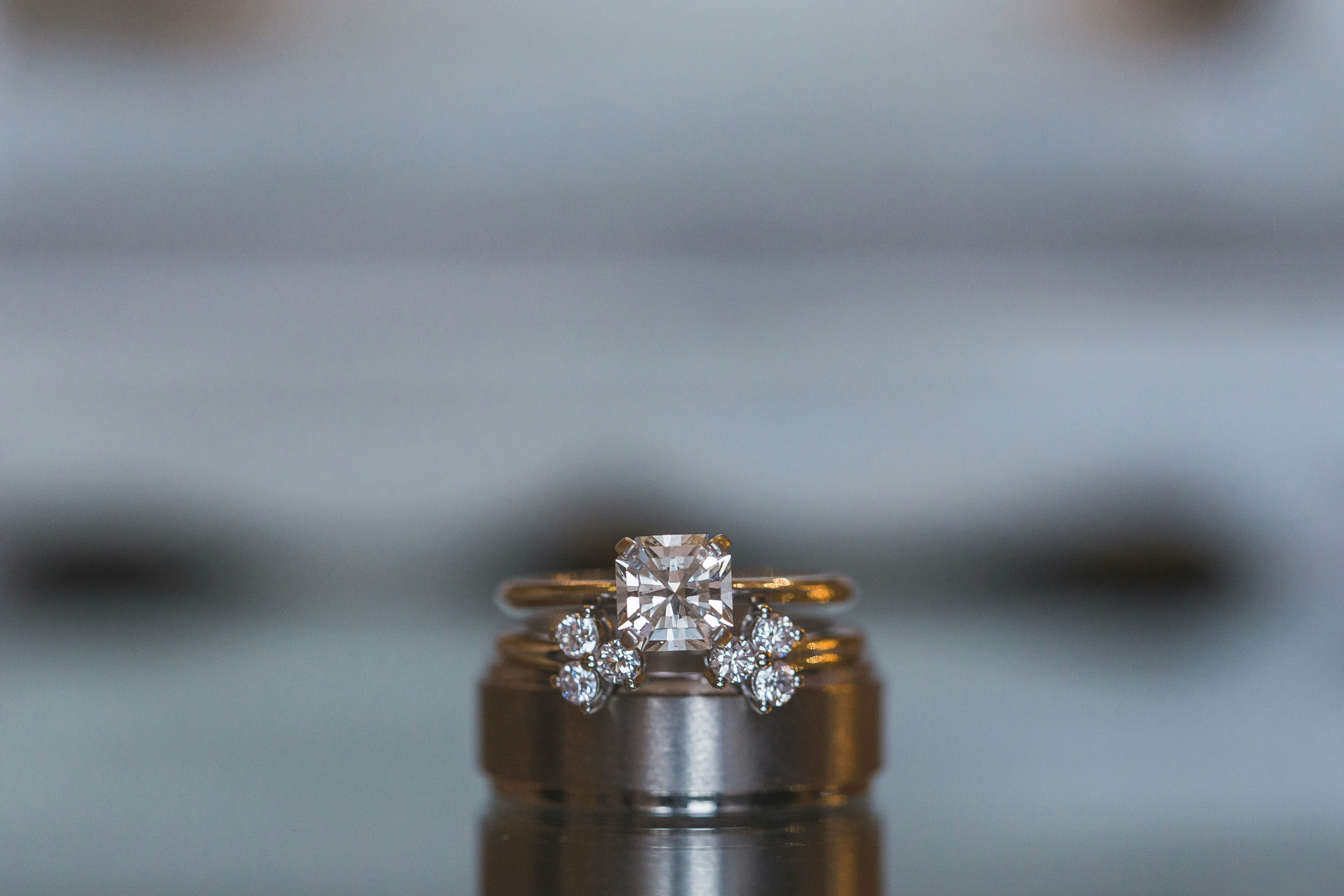
Diamond jewelry comes in various forms, each with its own charm, design variations, and suitability for different occasions. The most iconic type is the diamond engagement ring, a symbol of love and commitment. These rings can vary greatly in style—from classic solitaires to contemporary halo settings—offering numerous options that cater to personal taste. Often adorned with a central diamond, these rings are designed to be both elegant and timeless, making them immensely popular for engagements.
In addition to engagement rings, diamond necklaces hold a special place in the hearts of many. From stunning pendants to elaborate diamond-studded chokers, each design can enhance the wearer’s elegance. Diamond necklaces are versatile and can suit a range of occasions, from casual outings to formal events, making them a desired addition to any jewelry collection.
There are also diamond earrings, which come in numerous styles, such as studs, hoops, and drop earrings. Studs, particularly, are favored for their simple yet chic appearance, while chandelier earrings add a touch of glamour. Earrings are a perfect gift option for birthdays, anniversaries, or just to show appreciation.
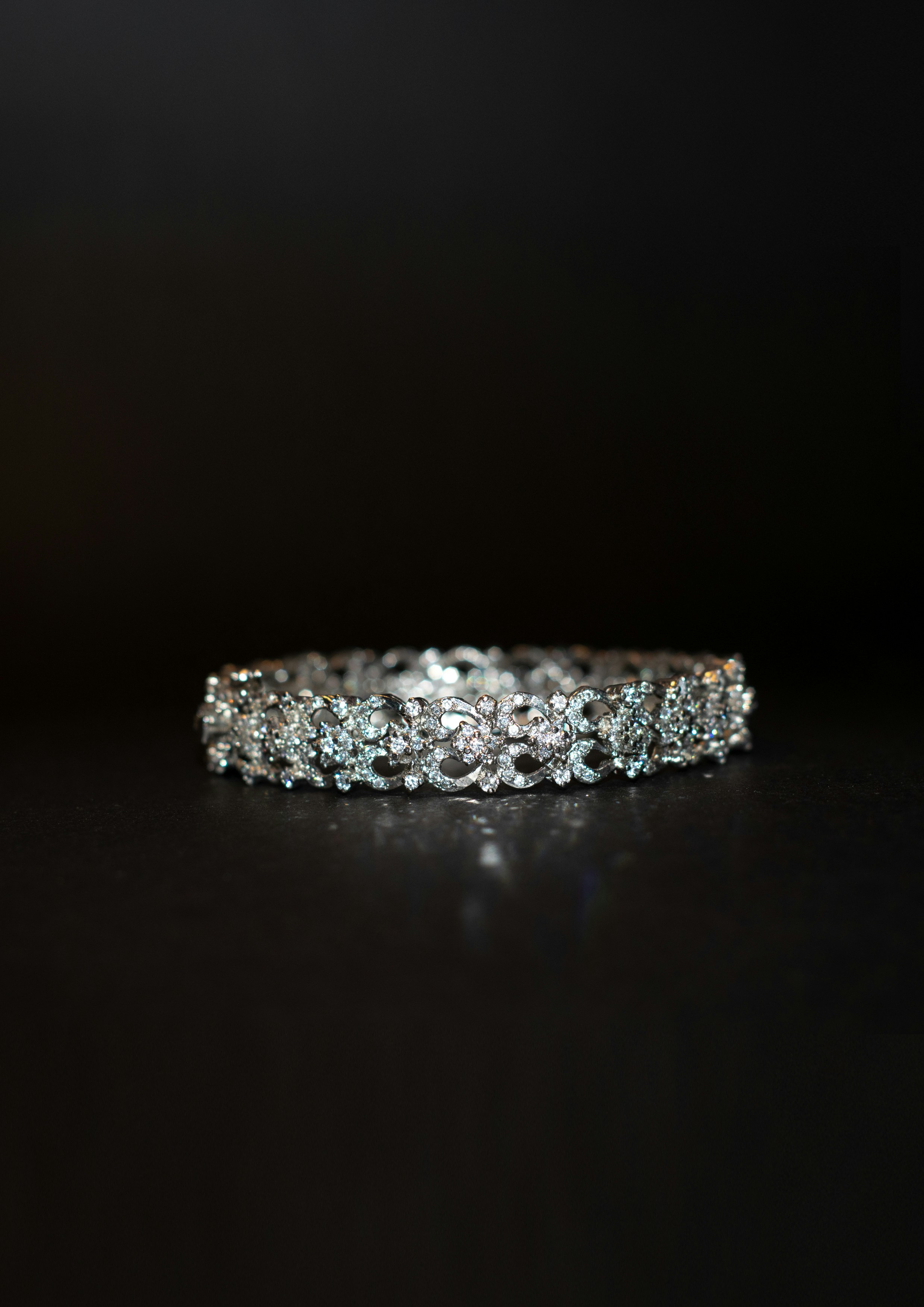
Next, diamond bracelets have gained popularity as fashionable accessories. From flexible bangles to luxurious tennis bracelets, diamonds can add sparkle to any outfit. These pieces are often chosen for special occasions, providing elegance and style that complement evening wear seamlessly.
In conclusion, whether you are looking for an engagement ring, a captivating necklace, chic earrings, or a dazzling bracelet, the world of diamond jewelry offers an array of options tailored to various tastes and occasions. Each piece not only signifies beauty but also serves as a cherished keepsake, celebrating significant moments in life.
To ensure your diamond jewelry retains its sparkle and beauty over the years, proper maintenance is essential. Diamonds are remarkably durable, but their settings can be vulnerable if not cared for appropriately. One of the most effective cleaning methods includes using a mixture of warm water and mild dish soap. Gently immerse the jewelry in this solution for around 20 to 30 minutes, then softly scrub the diamond with a soft-bristle toothbrush. Rinse thoroughly under warm water and dry with a lint-free cloth. This simple cleaning routine can help to preserve the brilliance that diamonds are renowned for.
When it comes to storing your diamond jewelry, it is advisable to keep each piece separate, preferably in a soft pouch or a velvet-lined jewelry box to prevent scratches. Storing diamonds alongside other jewelry can lead to abrasion, diminishing their luster. Moreover, avoid exposing your diamonds to harsh chemicals commonly found in household cleaners, as these substances can damage the metal settings.
In addition to these cleaning and storage tips, regular professional maintenance is crucial. It is recommended to have your diamond jewelry checked by a jeweler at least once a year. During a professional inspection, the jeweler can assess the integrity of the setting to ensure that the diamonds remain securely in place. They can also address any wear or damage before it becomes a more significant issue. Regular maintenance not only enhances the longevity of your diamond jewelry but also allows you to enjoy its beauty uninterrupted.