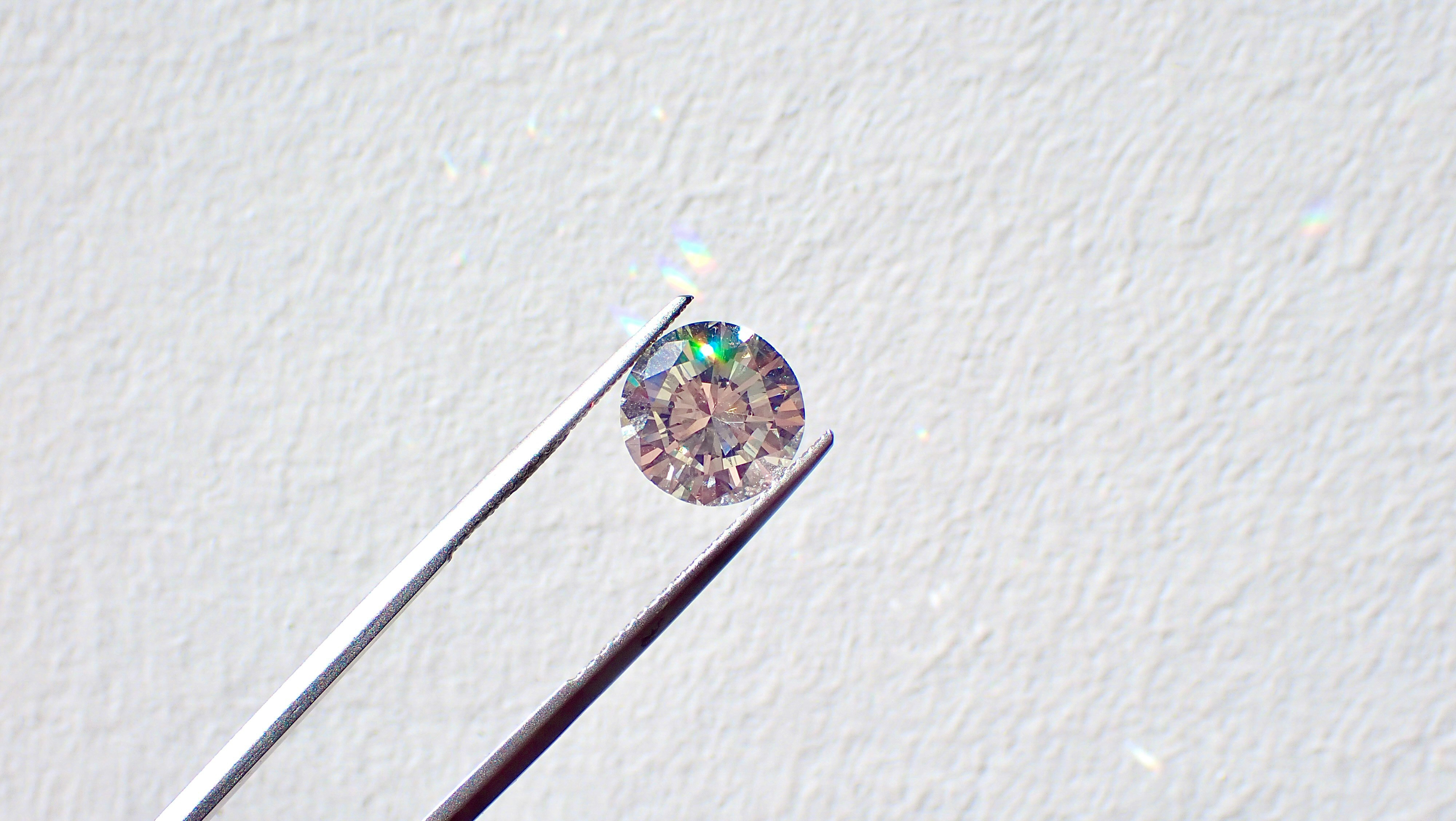

Understanding Loose Diamonds
Loose diamonds are diamonds that are not mounted in any jewelry setting, allowing buyers to select the diamond itself, rather than a predefined piece of jewelry. This provides a unique opportunity for individuals seeking more than just a pre-configured ring or necklace; it offers flexibility in choice, design, and personal expression. Unlike diamonds set in rings or other accessories, loose diamonds offer an additional layer of customization and personalization.
One of the primary advantages of purchasing loose diamonds is the ability to carefully evaluate the stone based on specific criteria such as carat weight, clarity, color, and cut. This flexibility allows buyers to make informed decisions that align with their preferences and budget. For example, shoppers can choose a larger stone with lower clarity or color quality, enabling them to obtain a visually impressive diamond without exceeding their financial means. Additionally, as consumers navigate the realm of loose diamonds, they can also ensure they are getting the best value for their money.
Another significant benefit is the capacity for customization. Buyers can choose a loose diamond and later decide on the type of setting that best complements their personal style or the occasion. This makes loose diamonds an attractive option for engagements, anniversaries, or other milestones, as they can be tailored to the recipient’s tastes. Moreover, purchasing loose diamonds can sometimes translate to better pricing. When buying a diamond independently, as opposed to a piece of finished jewelry, there is often the potential for significant savings since the cost of the setting is excluded.
The 4 Cs of Diamonds
When it comes to purchasing loose diamonds for sale, understanding the 4 Cs—Cut, Color, Clarity, and Carat weight—is essential. Each of these characteristics plays a pivotal role in assessing the overall quality and value of a diamond.
Cut refers not only to the shape of the diamond but also to how well it has been cut and polished. A well-cut diamond reflects light beautifully, creating brilliance and sparkle. The cut can significantly influence the diamond’s appearance and is often considered the most important of the 4 Cs. Prospective buyers should consider the cut grade, which ranges from Poor to Excellent, to ensure they are choosing a diamond that maximizes its visual appeal.
Color in diamonds is graded on a scale from D (colorless) to Z (light yellow). Diamonds that are colorless are typically more valuable, as they allow more light to pass through them, enhancing their brilliance. However, some buyers may prefer diamonds with subtle hues such as pink or blue, which can carry premium prices of their own. It is essential for buyers to examine the diamond under various lighting conditions to get an accurate assessment of its color.
Clarity evaluates the presence of internal or external imperfections known as inclusions and blemishes, respectively. Clarity ranges from Flawless, where no imperfections are visible under 10x magnification, to Included, where the imperfections are visible to the naked eye. A higher clarity grade generally indicates a more valuable diamond, but many buyers may prioritize size or cut over clarity for a personal appeal.
Lastly, Carat weight measures the diamond’s weight, with one carat equivalent to 200 milligrams. Larger diamonds are rarer and more sought after, leading to higher prices as the carat weight increases. However, buyers should remember that two diamonds of the same carat weight can differ significantly in price based on their cut, color, and clarity.
Where to Buy Loose Diamonds
When searching for loose diamonds for sale, consumers have several avenues available to them. The most common options include online retailers, local jewelers, and diamond wholesalers. Each of these sources presents unique advantages and considerations that can influence a buyer’s decision.
Online retailers have gained significant popularity due to their convenience and often competitive pricing. Websites specializing in loose diamonds typically offer a comprehensive inventory that allows buyers to compare various options from the comfort of home. Reputable online retailers provide certification information, making it easier for buyers to verify the authenticity and quality of the diamonds. Notable online platforms include James Allen, Blue Nile, and Whiteflash, which are known for their extensive collections and user-friendly interfaces.
Local jewelers also offer a personal touch when purchasing loose diamonds. These establishments allow customers to view the diamonds in person, providing an opportunity to examine their brilliance and craftsmanship. When selecting a local jeweler, it is crucial to check for certifications and affiliations with professional organizations, such as the American Gem Society, to ensure the jeweler adheres to industry standards. Additionally, establishing a relationship with a local jeweler can lead to personalized service and potential discounts.
Diamond wholesalers are another option for purchasing loose diamonds. While these suppliers typically serve the trade, some allow consumers to purchase directly. Buying from a wholesaler can be advantageous due to lower prices that come from cutting out the middleman. However, buyers should conduct thorough research and ensure that the wholesaler is reputable; seeking certifications and reviews will help ensure a quality purchase.
In selecting a source for loose diamonds, consider factors such as reputation, pricing, and the ability to inspect the diamonds first-hand. Educating yourself on the Four Cs (carat, cut, color, and clarity) and verifying certification are paramount in making an informed decision that aligns with your requirements.
Assessing the Quality of Loose Diamonds
When purchasing loose diamonds for sale, it is crucial to assess their quality accurately to ensure a sound investment. The quality of diamonds is typically evaluated using the Four Cs: Cut, Color, Clarity, and Carat weight. Each of these elements contributes significantly to the overall appearance and value of a diamond.
A primary resource for understanding a diamond’s quality is its grading report from an esteemed gemological laboratory. The Gemological Institute of America (GIA) and the American Gem Society (AGS) are two of the most reputable organizations that offer comprehensive grading reports. These certificates provide an unbiased assessment of the diamond’s characteristics and serve as a critical reference for buyers. A grading report not only outlines the Four Cs but also includes additional details such as measurements, fluorescence, and specific comments on the stone’s unique qualities.
Besides grading reports, it’s essential to pay attention to diamond symmetry and proportions, which affect a diamond’s brilliance and aesthetic appeal. Symmetry refers to how well the facets of the diamond align and reflect light. A well-symmetrical diamond exhibits superior light performance, conveying brightness and fire. Proportions relate to the relationship between the various dimensions of the diamond, such as depth and table size. Ideal proportions maximize the diamond’s aesthetic and prevent light leakage, enhancing its visual effects.
In conclusion, assessing the quality of loose diamonds requires a careful evaluation of grading reports, symmetry, and proportions. By understanding these factors, consumers can make informed decisions, ensuring they select high-quality diamonds that meet their expectations and preferences.
Setting a Budget for Your Loose Diamond Purchase
When it comes to purchasing a loose diamond, setting a budget is a critical step that ensures you make a selection aligned with your financial capacity and personal preferences. Firstly, assessing your overall financial situation involves evaluating available funds and considering factors such as monthly expenses, savings goals, and other financial commitments. Having a clear overview enables you to allocate a realistic amount towards your purchase without causing strain on your finances.
Once you have a defined budget, identify your priorities regarding the features of the diamond. Essential characteristics include the four Cs: cut, carat, clarity, and color. Depending on personal tastes, some might prioritize brilliance and fire, while others may focus on size or clarity. Understanding which features are most important to you allows for more strategic allocation of budget funds. For example, if you value size prominently, you might consider a diamond with a lower clarity grade to maximize carat weight within your financial range.
In addition, it is advantageous to do thorough research on current loose diamond pricing. Comparing prices across different retailers can help identify the best value for money. Be cautious, however, of deals that seem too good to be true, as these may compromise quality. Many people find it beneficial to establish a budget slightly above their initial figure to allow for flexibility; this enables room for unexpected expenses like setting fees or insurance considerations.
Ultimately, setting a budget for your loose diamond purchase should balance financial responsibility with the desire to acquire a remarkable piece that fits your aesthetic and emotional criteria. By following these guidelines, you can approach your diamond buying journey with confidence, ensuring that you make a sound investment that brings joy for years to come.
Understanding Diamond Certification
Diamond certification is an essential aspect of purchasing loose diamonds, as it provides buyers with a reliable assessment of a diamond’s quality and authenticity. A certified diamond comes with a grading report from a reputable gemological laboratory, detailing various attributes such as the diamond’s cut, color, clarity, and carat weight. This certification serves as a safeguard for consumers, helping them make informed decisions when buying diamonds for sale.
The importance of diamond certification cannot be overstated. It assures potential buyers of the quality and value of the diamond they are considering. In contrast, non-certified diamonds often lack definitive grading, leaving buyers vulnerable to misrepresentation or overpricing. Therefore, understanding the implications of purchasing certified versus non-certified diamonds is critical for any buyer aiming to acquire a valuable gemstone.
Several organizations are recognized for their rigorous standards in diamond grading, including the Gemological Institute of America (GIA), the American Society of Appraisers (ASA), and the International Gemological Institute (IGI). These organizations utilize a set of standardized methods and criteria to evaluate diamonds, ensuring consistency and accuracy in their grading processes. When buying loose diamonds, it is advisable to look for diamonds that have been certified by these reputable institutions, as their reports carry significant weight in the industry.
In conclusion, investing in a certified diamond offers peace of mind, ensuring that buyers are getting what they pay for. By prioritizing diamonds backed by credible certification, consumers can navigate the market with confidence, making informed choices that align with their preferences and budget. Always ensure that the grading report is available for any diamond you consider, as this documentation plays a pivotal role in determining its value and desirability.
Popular Cuts and Styles of Loose Diamonds
When considering the purchase of loose diamonds for sale, understanding the various cuts and styles available is essential. The choice of cut not only influences the diamond’s brilliance and overall aesthetic appeal but also affects its value. Among the most popular cuts are the round, princess, cushion, and emerald shapes, each offering distinct characteristics that cater to individual preferences.
The round cut is renowned for its timeless appeal and ability to maximize light reflection, making it the most sought-after style. Ideal for those who appreciate classic elegance, round diamonds are versatile and well-suited for various types of jewelry settings.
In contrast, the princess cut is distinguished by its contemporary, angular shape, making it a favored choice for modern engagement rings. It is known for its exceptional sparkle and sharp corners, appealing to those who desire a bold and unique look.
Cushion cut diamonds combine the classic round cut with a square silhouette featuring softened corners. This cut has gained popularity for its romantic and vintage aesthetic, offering a unique charm that stands out. Its large facets contribute to a captivating brilliance, making it an excellent choice for those drawn to the allure of vintage styles.
Finally, the emerald cut showcases a unique rectangular shape with step-cut facets that emphasize clarity and color rather than brilliance. This style is ideal for purchasers who appreciate sophisticated elegance, as the emerald cut offers a more understated yet stylish appearance.
Understanding these different cuts allows potential buyers to align their preferences with the qualities they seek in loose diamonds. Each cut provides a distinctive visual effect and can significantly influence the choice of the diamond, ensuring an ideal match for the buyer’s taste.
Caring for Your Loose Diamonds
Caring for your loose diamonds is essential to maintaining their brilliance and longevity. Proper maintenance not only enhances their beauty but also preserves their value. The first step in caring for your diamonds is understanding the importance of cleaning them regularly. Accumulated dirt, oils, and grime can dull their sparkle. One effective method for cleaning loose diamonds is to gently scrub them with a soft-bristle toothbrush and a solution of warm water and mild dish soap. Make sure to rinse them thoroughly after cleaning to remove any residue.
When it comes to storage, loose diamonds should be kept in a safe and secure place to prevent scratches and damage. A soft pouch or a specialized jewelry box can be beneficial in safeguarding your diamonds from exposure to harsh conditions. It is advisable to store each diamond separately to avoid contact with other gemstones or jewelry that might cause abrasions.
Additionally, it is crucial to assess the condition of your loose diamonds periodically. Checking for loose settings, scratches, or signs of wear is important. If you notice any irregularities, seeking professional maintenance is recommended. A qualified jeweler can conduct a thorough cleaning and inspect for necessary repairs. Regular professional maintenance not only ensures your diamonds remain in optimal condition but also enhances their overall aesthetic appeal.
By following these guidelines for caring for your loose diamonds, you can ensure that they remain radiant and valuable for years to come. Whether it’s through regular cleaning, careful storage, or professional assessments, taking the time to care for your loose diamonds is an investment worth making.
Final Thoughts on Buying Loose Diamonds
In summary, purchasing loose diamonds offers immense flexibility and personalization, enabling buyers to choose a perfect stone that aligns with their preferences and budget. Throughout this guide, we have explored the essential criteria for evaluating loose diamonds, including the 4 Cs: cut, color, clarity, and carat weight. Understanding these attributes is fundamental in making an informed decision and selecting a diamond that not only fits your aesthetic desires but also holds its value over time.
Moreover, buyers are encouraged to consider the importance of reputable dealers and the benefits of obtaining certification from recognized gemological institutions. This ensures that the diamond in question meets the promised quality standards and provides peace of mind to the purchaser. As previously discussed, engaging with trusted jewelers and seeking out expert advice can enhance the buying experience significantly.
Additionally, it is vital to explore the broader market and compare prices across different platforms. With the increasing availability of online retailers, prospective buyers have a wealth of options at their disposal. The adaptability of purchasing loose diamonds can lead to striking savings, especially when one is able to directly compare the offerings from various sellers.
As you reflect on your diamond purchasing journey, consider how loose diamonds allow for customization in both design and budgeting. Whether you are selecting an engagement ring or simply a spectacular piece of jewelry for yourself, focusing on aesthetic appeal alongside investment value will lead to satisfying results. Equip yourself with knowledge and confidence and embark on this rewarding adventure in choosing the perfect loose diamond that speaks to you.
