The Ultimate Guide to Diamond Engagement Rings: 2026 Trends, Custom Design, and Natural vs. Lab-Grown

The search for the perfect diamond engagement rings is one of the most significant and emotionally charged purchases a person can make. As we move through 2026, the landscape of bridal jewelry is evolving faster than ever, driven by generational shifts in taste, the rise of lab-grown alternatives, and powerful new marketing campaigns from industry giants like De Beers.
Whether you are beginning your research or are ready to propose, understanding the current market is essential. This guide will walk you through the latest trends, the ongoing natural vs. lab-grown debate, and the key factors that determine value, helping you make an informed decision that you will cherish forever.
The Current State of the Diamond Engagement Ring Market
The world of diamond engagement rings in 2025 and 2026 is defined by choice. Consumers are no longer bound by a single definition of what a proposal should look like. Recent surveys indicate a strong desire for personalization. According to the Helzberg 2025 Engagement & Ring Shopping Survey, a staggering 76% of respondents said they would invest more for a customized ring, with this preference being even stronger among Gen Z couples .
This desire for uniqueness is playing out against a backdrop of two major industry shifts: the continued rise of lab-grown diamonds and a major push by natural diamond miners to re-establish the allure of earth-mined stones. For anyone searching for diamond engagement rings, understanding these forces is the first step to finding the perfect symbol of your love.
Trend 1: The Rise of Custom and “Alt” Engagement Rings
Forget the one-size-fits-all mentality of past decades. Today, the narrative is all about storytelling. The Helzberg survey highlights that 83% of respondents said the ability to shop in-store was important, but this is often to facilitate a highly personalized experience .
- Customization is King: Couples want rings that reflect their personal stories. This goes beyond just choosing a setting; it involves selecting unique stones and working with jewelers to create something that has never existed before.
- The “Taylor Swift” Effect: Celebrity influence remains potent. The widespread media coverage of Taylor Swift’s vintage-inspired engagement ring, featuring an old mine-cut diamond with a soft, warm glow, has sparked massive interest in warmer diamond shades and antique cuts. This has perfectly aligned with De Beers’ launch of “Desert Diamonds,” which feature naturally colored stones in hues of champagne, amber, and warm white .
- Colorful Alternatives: While diamonds are classic, interest in colored gemstones is holding steady, with sapphires leading the pack as the most popular alternative for center stones .
Trend 2: The Great Debate: Natural vs. Lab-Grown Diamonds
Perhaps the most significant decision facing buyers of diamond engagement rings today is whether to choose a natural or lab-grown diamond. The market has shifted dramatically.
Lab-Grown Diamonds: The New Contender
Lab-grown diamonds have exploded in popularity, primarily due to their accessibility and price. According to The Knot, a staggering 52% of center stones were lab-grown in 2024, up from just 12% in 2019 . Angara’s 2024 Engagement Ring Trend Report confirms this generational shift, noting that Gen Z shoppers, in particular, are drawn to the affordability and size that lab-grown offers. The survey found that a majority of Gen Z respondents would prefer a 3-carat lab-grown diamond over a 1-carat natural mined diamond . The primary driver? Affordability is now a top priority for many, allowing couples to allocate their budget differently .
Natural Diamonds: The Enduring Legacy
In response to the lab-grown surge, De Beers launched its largest campaign in over a decade, “Unlike Anything,” promoting “Desert Diamonds.” This strategy focuses on what lab-grown stones cannot replicate: rarity, uniqueness, and a billion-year connection to nature. Research cited by De Beers found that 90% of consumers expressed interest in these uniquely colored natural stones as a way to create a distinct look .
The narrative for natural diamonds is shifting from simply being “real” to being an irreplaceable piece of natural art, forged over millennia. For affluent buyers, the connection to heritage and tradition remains a powerful draw, with 78% of affluent consumers in one survey finding a natural diamond described as “a rare creation of the earth” appealing .
Key Takeaway:
Your choice depends on your values and budget. Do you prioritize maximum size and lower cost (lab-grown), or do you value the geological rarity and potential long-term uniqueness of a natural stone? Both are “real” diamonds, but their stories—and price tags—are vastly different.
Trend 3: The 4Cs Are Evolving
While Cut, Color, Clarity, and Carat remain the foundation of diamond quality, their interpretation is changing.
- Color is Becoming a Feature: The demand for crisp, colorless (“D-F” color) diamonds is being challenged by the rise of “Desert Diamonds.” Warm, champagne, and even light brown tones are being re-framed not as imperfections, but as desirable markers of natural origin and unique character .
- Carat Weight vs. Budget: With lab-grown diamonds making large carat sizes more affordable, the definition of what is “big” is changing. For natural diamonds, carat remains a key indicator of rarity and value.
- Cut for Character: Vintage and old-mine cuts, which prioritize a unique, “candlelight” sparkle over the precise brilliance of a modern round brilliant, are gaining traction, fueled by the desire for individuality .
How to Choose the Perfect Diamond Engagement Ring
Navigating the world of diamond engagement rings can feel overwhelming, but breaking it down into steps can simplify the process.
1. Establish a Budget (and Be Realistic)
The old adage of “two months’ salary” is outdated. The average spend on an engagement ring has fluctuated, with recent data showing a decrease to an average of $5,500, as many consumers, particularly Gen Z, prioritize affordability . Determine a budget that feels comfortable for you and doesn’t cause financial strain. Remember, the sentiment behind the ring is what truly matters.
2. Do Your Research (Together or Solo)
The Helzberg survey revealed that while 88% of those being proposed to want to share their preferences, 59% wanted zero involvement in the proposal itself . If you’re in the latter group, do some discreet detective work. Look at their current jewelry, ask close friends, or browse their social media (especially Pinterest and Instagram) for inspiration. The survey shows that 79% of Gen Z and 63% of millennials use social media for education and inspiration .
Key platforms for research include:
- YouTube: For in-depth education on the 4Cs (37% of Gen Z) .
- Instagram & Pinterest: For visual inspiration (used by over 30% of respondents) .
- TikTok: A rapidly growing source for trends and education (32% of Gen Z) .
3. Choose Your Diamond Type
Decide on the fundamental nature of your center stone:
- Natural Mined Diamond: For the tradition, the story of nature, and long-term value retention.
- Lab-Grown Diamond: For the larger size, lower cost, and appeal of technology.
- Colored Gemstone: For a pop of color and unique personality (e.g., Sapphire, Ruby, Emerald).
4. Master the 4Cs
Whether natural or lab-grown, all diamonds are graded on these criteria:
- Cut: The most important C for brilliance. It determines how well the diamond interacts with light.
- Color: For white diamonds, less color is generally more valuable (graded D-Z). However, the new trend embraces fancy colored and warm-toned diamonds.
- Clarity: Refers to the absence of internal inclusions. Most inclusions are invisible to the naked eye (VS1 or VS2 are great values).
- Carat Weight: The size of the diamond. Balance this with cut quality for maximum sparkle.
5. Select a Setting
The setting protects the diamond and defines the ring’s style.
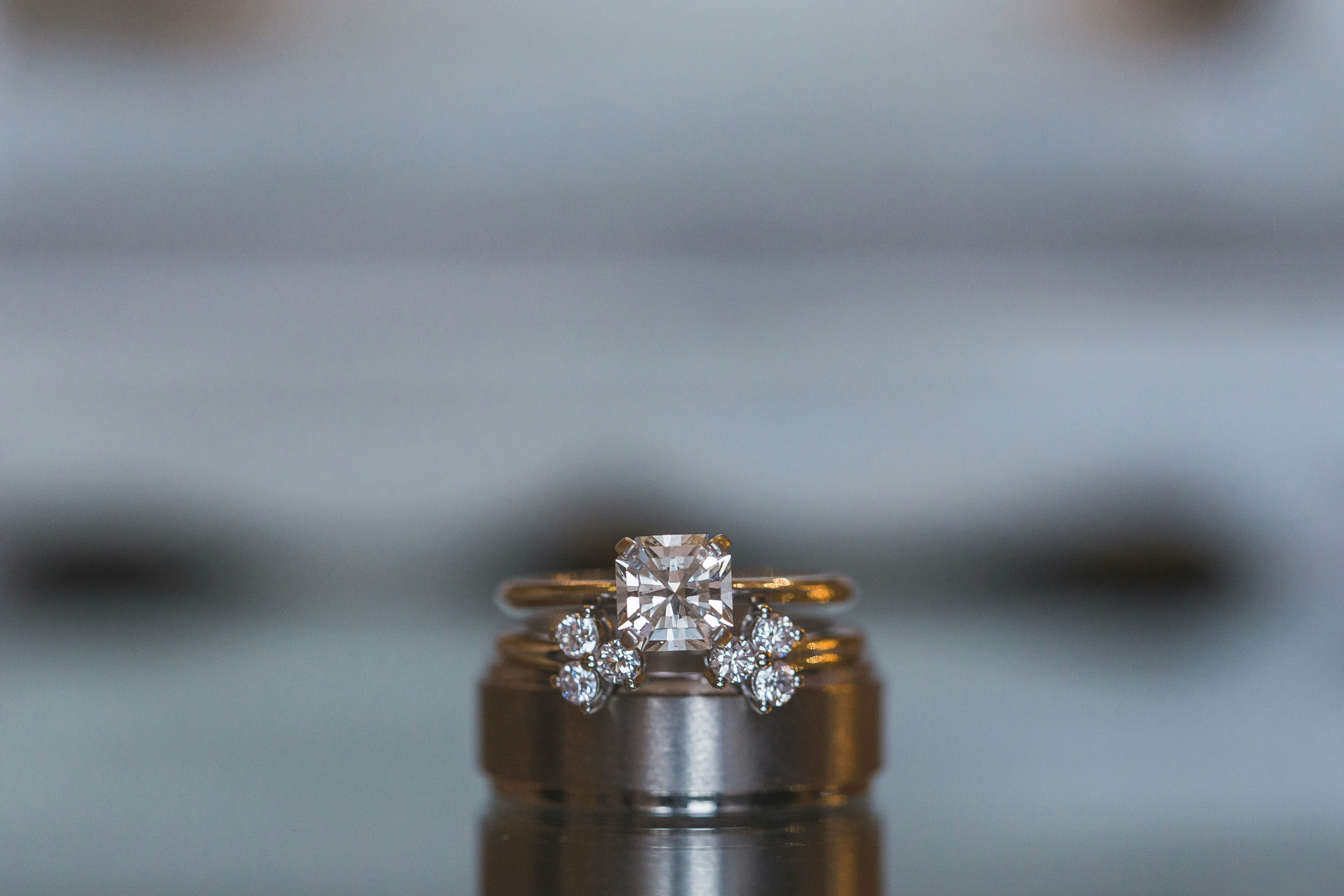
- Solitaire: Timeless and elegant, putting all the focus on the diamond.
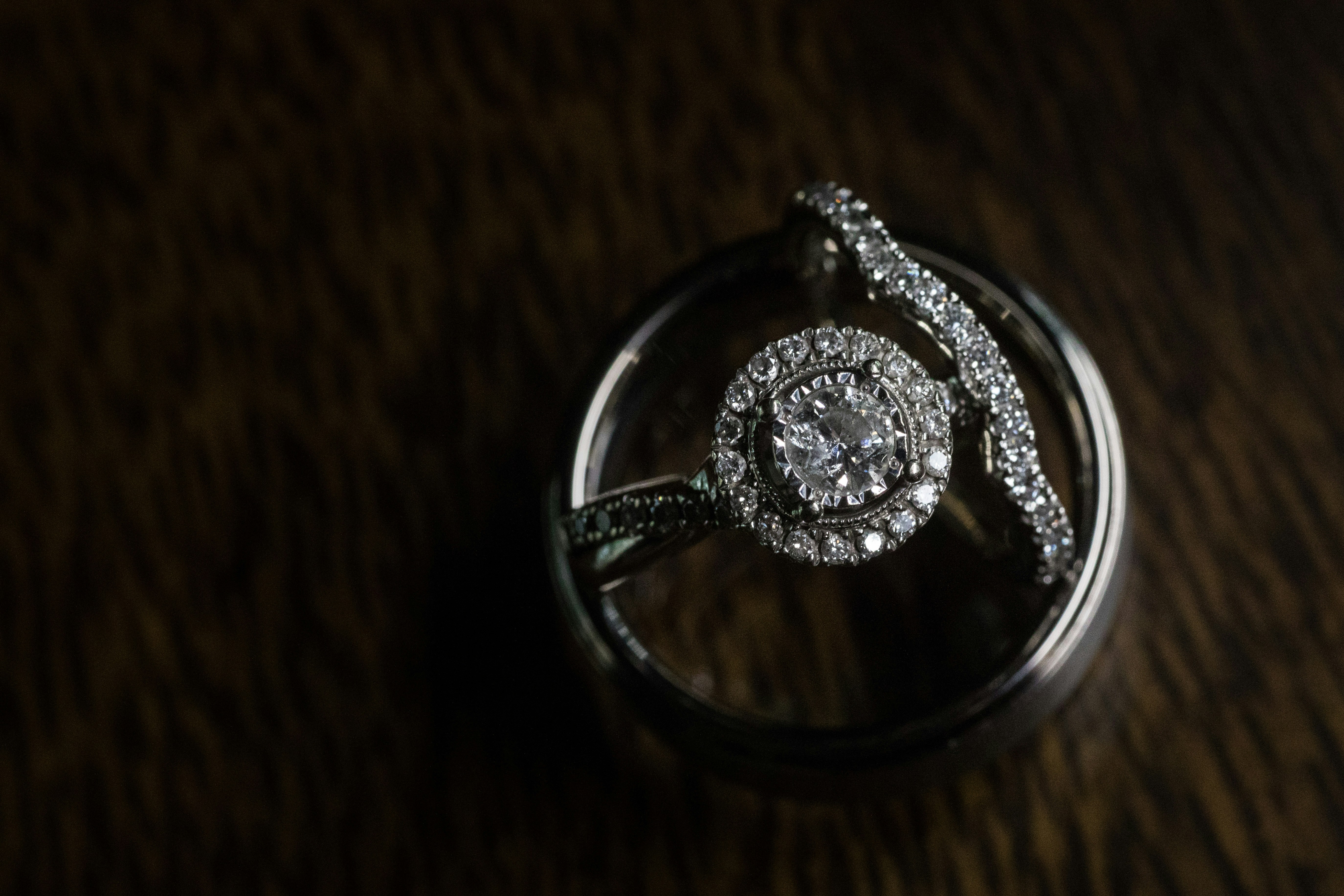
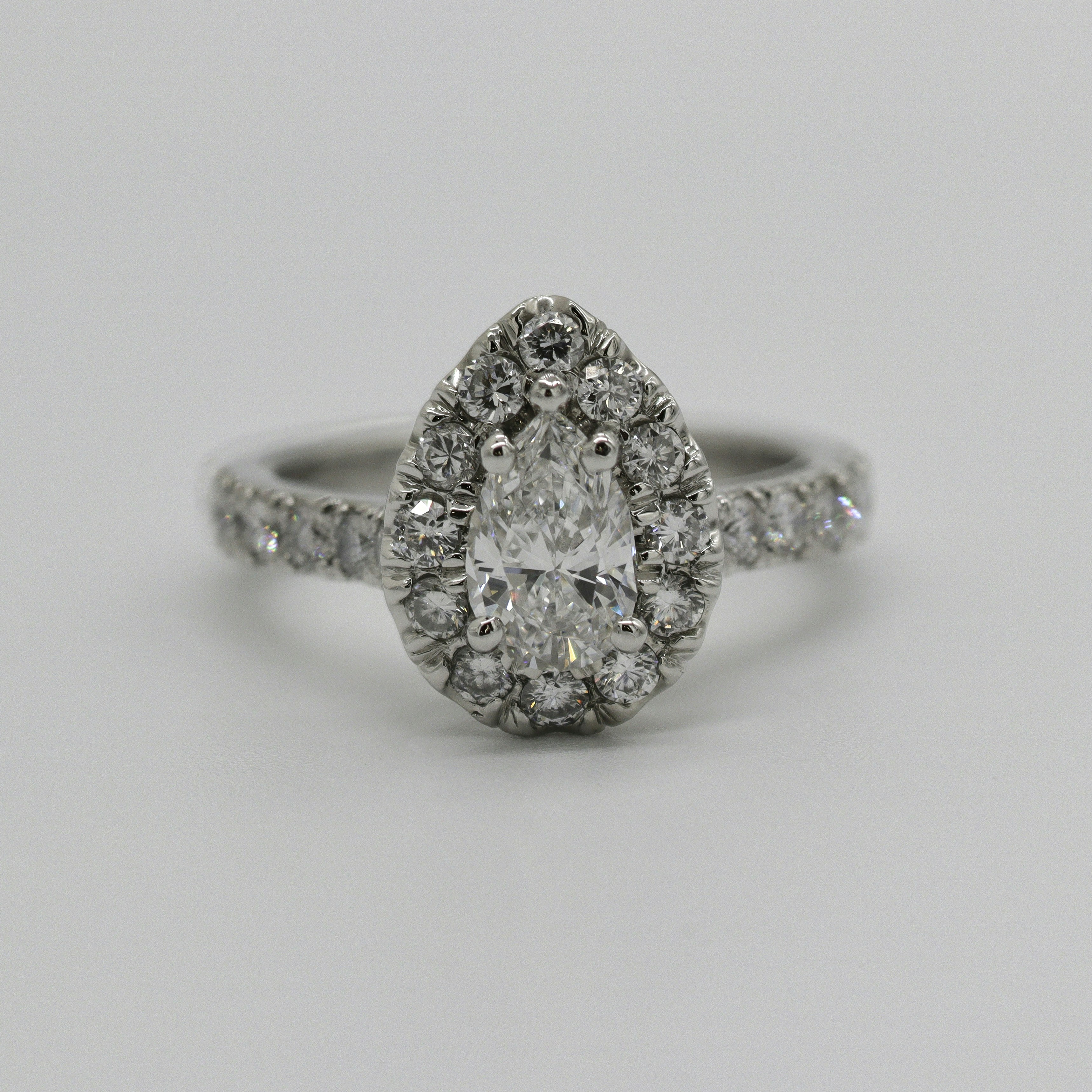
- Halo: A circle of smaller diamonds around the center stone makes it appear larger and adds incredible sparkle.
- Three-Stone: Symbolizing the past, present, and future of your relationship.
- Pavé: The band itself is covered in small diamonds, adding continuous sparkle.
- Vintage/Art Deco: Features intricate details, milgrain, and geometric patterns.
6. Find a Reputable Jeweler
Whether you buy online or in-store, trust is paramount. Look for jewelers who are transparent about their sourcing, provide certified grading reports (from labs like GIA or IGI), and have a clear return policy. The survey shows that 83% of respondents said the ability to shop in-store was important, even if they start their journey online, highlighting the value of seeing the ring in person .
Conclusion: Your Journey to the Perfect Ring
The search for diamond engagement rings in 2026 is an exciting journey marked by unprecedented choice. Whether you are drawn to the timeless romance and natural rarity of a De Beers “Desert Diamond,” the custom-designed uniqueness favored by Gen Z, or the smart value of a lab-grown stone, the most important thing is that the ring reflects your commitment and story.
Take your time, use the vast resources available online and in social media, and don’t be afraid to ask jewelers tough questions about a diamond’s origin and quality. By understanding the trends and the fundamentals, you can confidently choose a ring that will be a cherished symbol of your love for a lifetime.
Disclaimer: The information provided in this article is for general informational purposes only and does not constitute professional financial or gemological advice. Always consult with a certified gemologist and consider your personal financial situation when making a purchase of this nature.