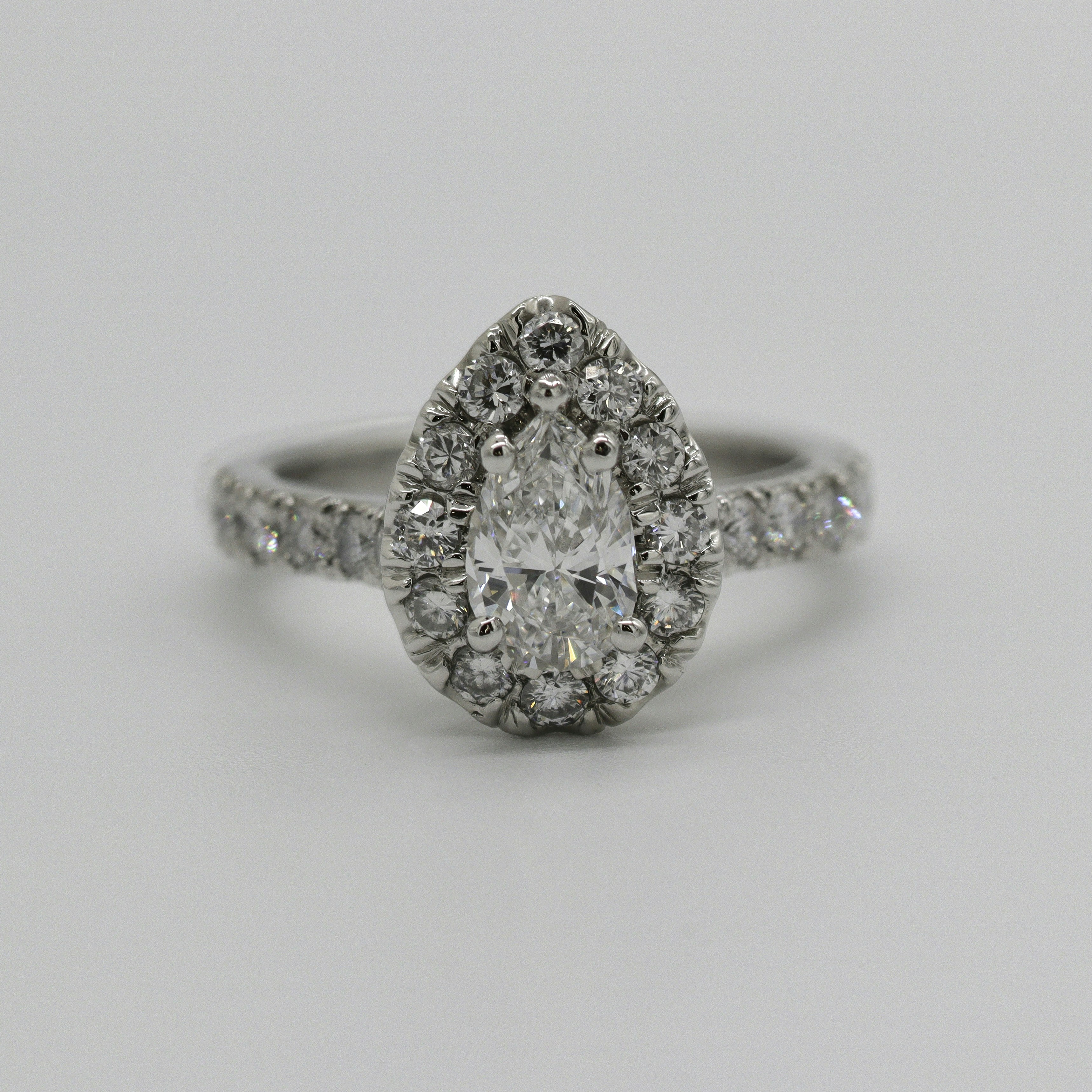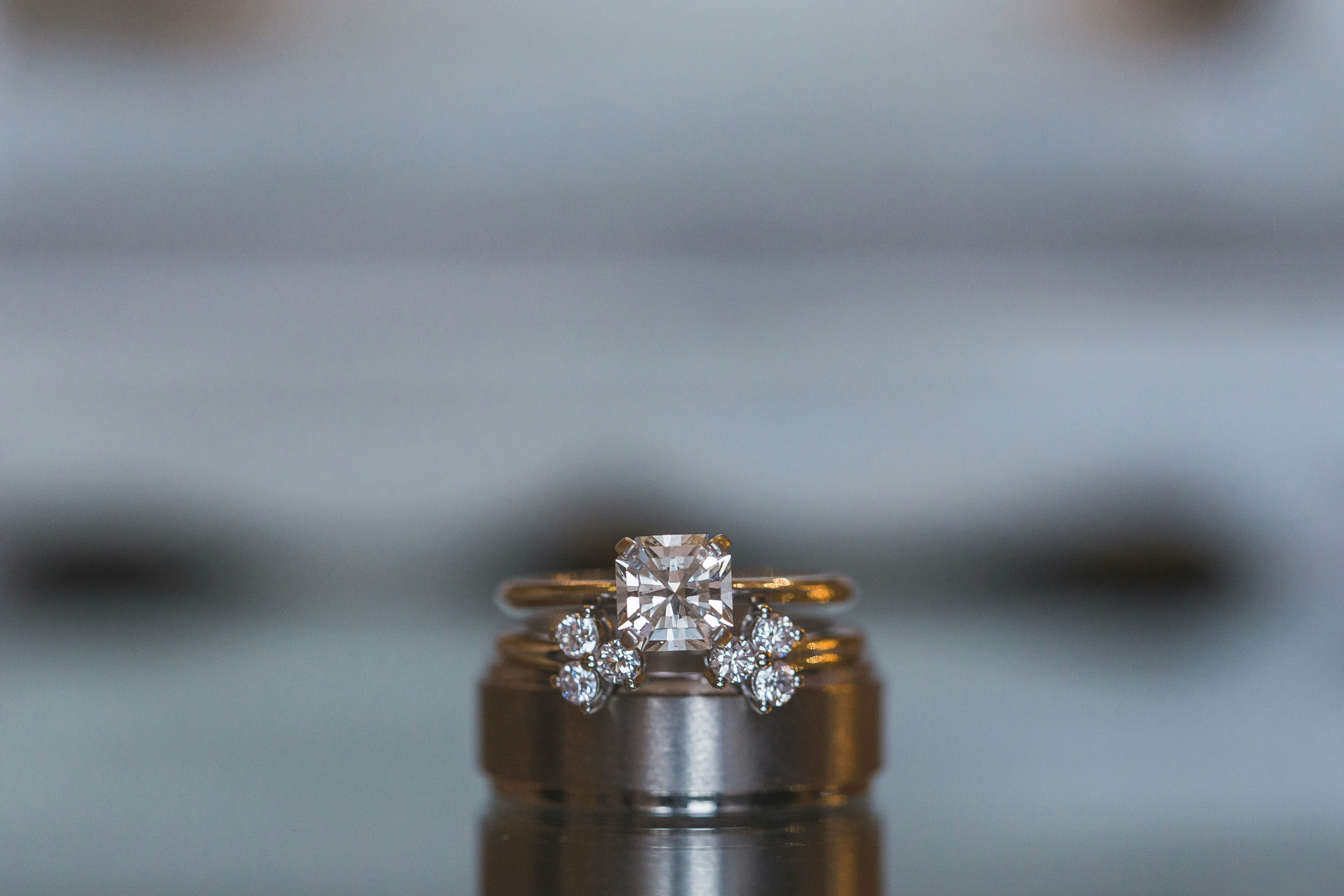

The quest for the perfect engagement rings is one of the most significant and emotionally charged purchases a person can make. As we move through 2026, the landscape of bridal jewelry is evolving, blending timeless tradition with modern, personalized aesthetics. Whether you are a buyer looking for guidance or a enthusiast researching the market, understanding the nuances of diamond quality, emerging trends, and the financial aspects of this purchase is crucial.
In the jewelry industry, engagement rings represent the pinnacle of both sentiment and value. Because this keyword carries high commercial intent, advertisers are willing to pay a premium to reach audiences actively researching this topic . This guide is crafted to provide deep insights while naturally attracting high-value advertising partners.
The Evolving Symbolism of the Engagement Ring
An engagement ring is more than just a piece of jewelry; it is a public pledge of commitment and a symbol of a shared future . While the tradition of presenting a ring at a proposal remains strong, the way couples approach the purchase has changed dramatically. Modern couples are more collaborative, often shopping together to ensure the ring reflects the wearer‘s personal style .
This shift towards personal expression is driving demand for unique pieces. Buyers are moving away from “aesthetic autopilot” and seeking rings that feel designed and distinctive rather than algorithm-generated .
2026 Engagement Ring Trends: A Blend of Vintage and Modern
Staying ahead of the curve is essential for both buyers and sellers. The trends dominating 2026 are characterized by warmth, texture, and individuality.
The Rise of Antique and Vintage Cuts
There is a surging interest in antique diamonds—such as Old Mine and Old European cuts. These stones offer a “candlelit sparkle” and a softness that comes from hand-cut proportions, making each piece unique. This trend is a direct rejection of the overly perfect, mass-produced look, with buyers gravitating toward stones that show individuality . Pinterest predicts that this nostalgia will continue to drive demand for heirloom-quality and Art Deco-inspired designs .
Chunky Gold and Bezel Settings
Delicate, barely-there bands are being replaced by substantial, sculptural profiles. Thick gold bands and bezel settings (where the metal surrounds the gemstone) are gaining traction for their modern look and practical durability. This “chunky” aesthetic offers a 70s-inspired, bold energy that feels both retro and contemporary .
The Elongated Silhouette
While round brilliants remain timeless, elongated shapes are defining the decade. Ovals, marquise, and elongated cushions are highly sought after because they offer maximum finger coverage and a flattering silhouette. East-west settings, where the stone is set horizontally, are also seeing a significant revival .
Decoding the 4Cs: Cut, Color, Clarity, and Carat
To navigate the market for engagement rings, understanding the 4Cs is non-negotiable. These are the universal standards for assessing diamond quality.
Cut: The King of Sparkle
The cut is the most important factor influencing a diamond‘s brilliance. It refers to how well the diamond’s facets interact with light. A well-cut stone will appear brighter and more lively than a poorly cut one of the same carat weight. For maximum sparkle, prioritize cut grade above all else .
Color: The Warmth of the Stone
Color measures the lack of color in a white diamond, graded from D (colorless) to Z (light yellow). Interestingly, 2026 trends are embracing warmer tones. Champagne, light yellow, and smoky brown diamonds are becoming popular as they offer a unique look that moves away from the stark, “overly white” aesthetic often associated with lab-grown stones .
Clarity: The “Eye-Clean” Standard
Clarity grades the presence of internal inclusions or surface blemishes. Many diamonds are “eye-clean,” meaning flaws aren’t visible to the naked eye without magnification. Opting for an eye-clean SI (Slightly Included) clarity grade can offer significant value without compromising on visual appeal .
Carat: Weight vs. Presence
Carat refers to a diamond’s weight, not its size. A well-cut diamond can face up larger than a poorly cut, heavier stone. It‘s about finding the right balance between carat weight and finger size to achieve the desired look within your budget .
| Feature | 2026 Trend Focus | Why It Matters |
|---|---|---|
| Cut | Antique cuts (Old Mine, European) | Provides “candlelit” sparkle and uniqueness |
| Color | Warm tones (Champagne, Light Yellow) | Moves away from sterile perfection; adds character |
| Setting | Chunky Gold, Bezel, East-West | Durability, modern aesthetic, and sculptural feel |
| Philosophy | Individuality & Craftsmanship | Rejection of “algorithm” trends; desire for authentic design |
Natural vs. Lab-Grown Diamonds
One of the most common debates in the industry revolves around the origin of the stone. Both natural and lab-grown diamonds are physically and chemically identical, but they come with different considerations.
- Natural Diamonds: Valued for their rarity and the history of being formed over millions of years. They often hold their value better over time. Ethically sourced natural diamonds are certified conflict-free through initiatives like the Kimberley Process .
- Lab-Grown Diamonds: These offer a more affordable price point, often allowing buyers to purchase a larger stone for the same budget. However, it’s important to discuss the long-term value and certification with your jeweler to make an informed decision .
The Financial Perspective: Why “Engagement Rings” Commands High CPC
For our readers interested in the market dynamics, the keyword “engagement rings” is one of the most valuable in the retail space. In the world of Pay-Per-Click (PPC) advertising, this keyword sees a high Cost Per Click (CPC) because it signifies “high intent.” A person searching for this term is likely close to making a purchase, making them an incredibly valuable lead for jewelers.
According to industry data, the average CPC for “engagement rings” can be around $4.50 or more, significantly higher than generic terms like “gold bracelets” . Advertisers are willing to pay this premium because the potential return on investment—a lifetime customer making a high-value purchase—is substantial. This is why you see premium jewelry brands competing aggressively for top placement on search engines .
Questions to Ask Your Jeweler
Before making a final decision, ensure you ask potential jewelers these critical questions to protect your investment :
- Certification: Is the diamond graded by an independent laboratory like GIA? A certification provides an unbiased assessment of the stone’s quality .
- Ethical Sourcing: Can the jeweler trace the origin of the diamond and verify it is conflict-free?
- Customization: What are the options for customizing a setting, and what is the turnaround time?
- After-Sales Care: What kind of warranty is offered? Does the jeweler provide lifetime servicing for cleaning, inspections, and prong tightening? This is a sign they stand behind their work .
Conclusion
Whether you are drawn to the vintage charm of an Old Mine cut, the bold statement of a chunky gold band, or the timeless elegance of a six-prong solitaire, the perfect engagement ring is out there. The key is to balance current trends with timeless quality, ensuring the ring is not only fashionable today but will be cherished for a lifetime. Remember to prioritize cut for brilliance, seek independent certification for peace of mind, and work with a reputable jeweler who can guide you through this beautiful journey.