
What Are Certified Diamonds?
Certified diamonds are gemstones that have been evaluated and graded by a professional gemological institute, establishing their authenticity and quality. The certification process involves a thorough assessment of various criteria, including the Four Cs: Carat weight, Cut, Color, and Clarity. These elements play a crucial role in determining the value and appeal of a diamond. A certificate serves as a documented assurance that a diamond meets specific standards, providing buyers with significant peace of mind.
Institutes like the Gemological Institute of America (GIA) and the American Gem Society (AGS) are among the most reputable organizations that provide these certifications. These organizations employ skilled gemologists who utilize advanced technology to examine the diamonds meticulously. The grading reports issued by these institutes include detailed information regarding the diamond’s specifications, including its cut, color grade, clarity grade, and any notable inclusions or blemishes. This critical documentation not only helps in ensuring a diamond’s credibility but also aids in its valuation in the market.
When comparing certified and non-certified diamonds, the differences become apparent. Non-certified diamonds lack the verification that comes from an established organization, which often means that their quality may be overestimated by sellers. This uncertainty can lead to buyers purchasing stones that do not meet their expectations in terms of visual appeal and lasting value. Therefore, potential buyers should prioritize obtaining certified diamonds to ensure they invest in a genuinely remarkable and valuable gemstone. Not only does certification reinforce a diamond’s quality and authenticity, but it also significantly influences the resale value, creating a more secure transaction for both current and future owners.
The Certification Process Explained
The certification process for diamonds is a critical step in ensuring the quality and authenticity of these precious gemstones. This process typically begins with an extensive evaluation of the diamond, which is primarily assessed based on the four fundamental criteria known as the 4Cs: cut, color, clarity, and carat weight. Each of these factors plays a significant role in determining the overall quality and value of the diamond.
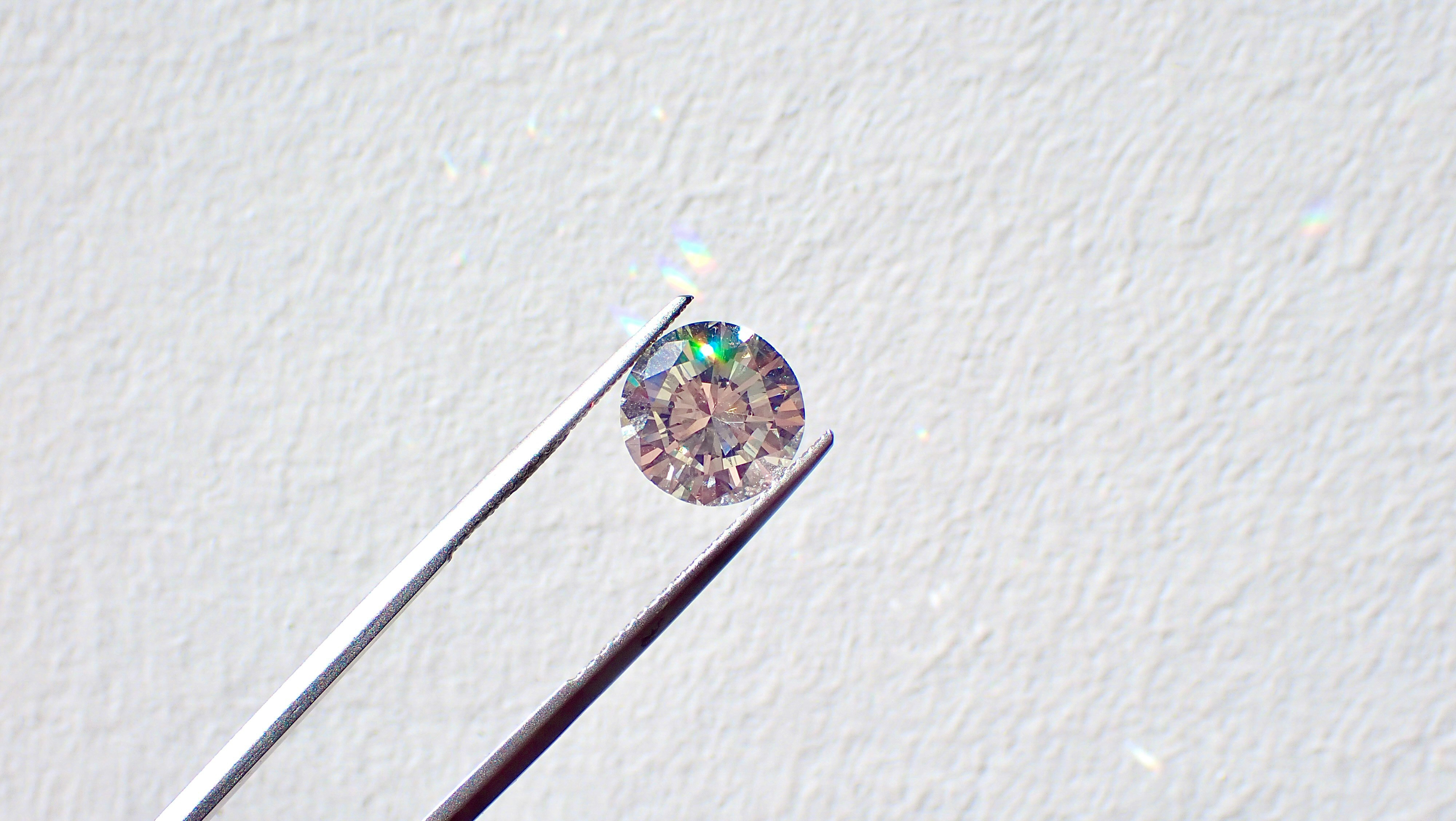
The cut of the diamond is essential as it influences how well the stone reflects light. A well-cut diamond will exhibit brilliance and sparkle. The color aspect refers to the presence of color in the diamond, with completely colorless diamonds being the most sought after. The clarity of a diamond indicates the presence of any internal or external flaws, known as inclusions and blemishes, respectively. Finally, the carat weight measures the size of the diamond, which also contributes to its valuation.
After establishing the 4Cs, diamonds are submitted for certification to recognized gemological organizations, such as the Gemological Institute of America (GIA) or the American Gem Society (AGS). These institutions employ trained gemologists who utilize advanced equipment to conduct a thorough and objective examination of the diamond. The certification report provided by these organizations includes detailed information on each of the 4Cs, along with a unique identification number, ensuring traceability and authenticity.
When considering a diamond, it is imperative for buyers to request and review the certification report. Key elements to look for include the grading details, the name of the certifying organization, and the report’s unique identification number. This information provides assurance that the diamond has undergone a rigorous evaluation process and helps buyers make informed decisions regarding their purchase.
The Benefits of Buying Certified Diamonds
Investing in certified diamonds offers numerous advantages that contribute to an informed and satisfactory purchasing experience. Perhaps the most tangible benefit of buying a certified diamond is the assurance it provides regarding the diamond’s quality and value. Diamonds that have undergone certification processes are evaluated according to stringent quality standards established by recognized gemological laboratories. This guarantees the authenticity of their claims, such as carat weight, cut, color, and clarity, allowing buyers to make purchases with confidence.
Additionally, certified diamonds tend to have a higher resale value than their non-certified counterparts. The documentation provided with a certified diamond includes detailed information, which can significantly assist potential buyers in assessing its worth. This transparent grading system not only helps buyers secure a reasonable price when reselling but also instills trust in the overall transaction process.
Protecting buyers from fraud is another crucial benefit of purchasing certified diamonds. The certification serves as a reliable safeguard against undisclosed treatments or enhancements that might diminish a diamond’s value. Buyers can rest easy knowing that their investment is secure and that they are acquiring a genuine product rather than a deceptive imitation.
Moreover, the transparency associated with certified diamonds often extends to ethical sourcing practices. Many sellers of certified diamonds prioritize sustainable and conflict-free sourcing, aligning with the growing consumer demand for ethical considerations in jewelry purchases. This added layer of assurance allows buyers to feel good about their investments, knowing they are not only purchasing a beautiful gem but also supporting responsible practices in the industry.
Choosing the Right Certified Diamond for You
When selecting a certified diamond, the first step is to thoroughly understand the certification report provided by organizations such as the Gemological Institute of America (GIA) or the American gem Society (AGS). These reports detail a diamond’s unique characteristics, including its cut, color, clarity, and carat weight, which are crucial for evaluating its overall quality. Familiarizing yourself with these criteria can help you make an informed decision that aligns with your expectations.
After reviewing the certification, it is essential to compare diamonds based on their grades. While a higher grade often indicates superior quality, consider what matters most to you. For instance, certain individuals may prioritize cut quality for maximum brilliance, while others may place more importance on color or clarity. It’s also important to remember that minor differences in these attributes may not be easily visible to the naked eye, allowing you to opt for a slightly lower grade diamond at a reduced price without sacrificing appearance.
Setting a budget is another vital component of your diamond search. Determine a comfortable price range before shopping, taking into account additional costs such as setting and insurance. Popular cut styles, such as round, princess, or cushion cuts, will have varied price points, so understanding your budget can assist in narrowing down your options. Furthermore, consider the metal type for the setting—white gold, yellow gold, or platinum—as this can influence the overall aesthetic and cost of your final piece.
Lastly, personal preference should not be overlooked. Different styles and settings can enhance the beauty of certified diamonds, from classic solitaire settings to intricate halo arrangements. Consider your lifestyle, personal taste, and how often the piece will be worn, as this can significantly influence your choice. By combining knowledge of certification, comparison, budgeting, and personal preference, you can select the certified diamond that best fits your needs.